Discover how AI can help you sell more wine, delight your guests, and streamline your tasting room—without hiring a consultant.

Artificial intelligence may feel like a high-tech tool reserved for Silicon Valley startups, but in reality, it’s an accessible, practical resource for wine tasting rooms. The idea of introducing AI can feel overwhelming—after all, there’s already so much to manage: staff, wine lists, events, and guest experiences. But starting small now can pay big dividends by the summer season, giving you actionable insights to improve your menu, website, staff performance, marketing, and guest loyalty.
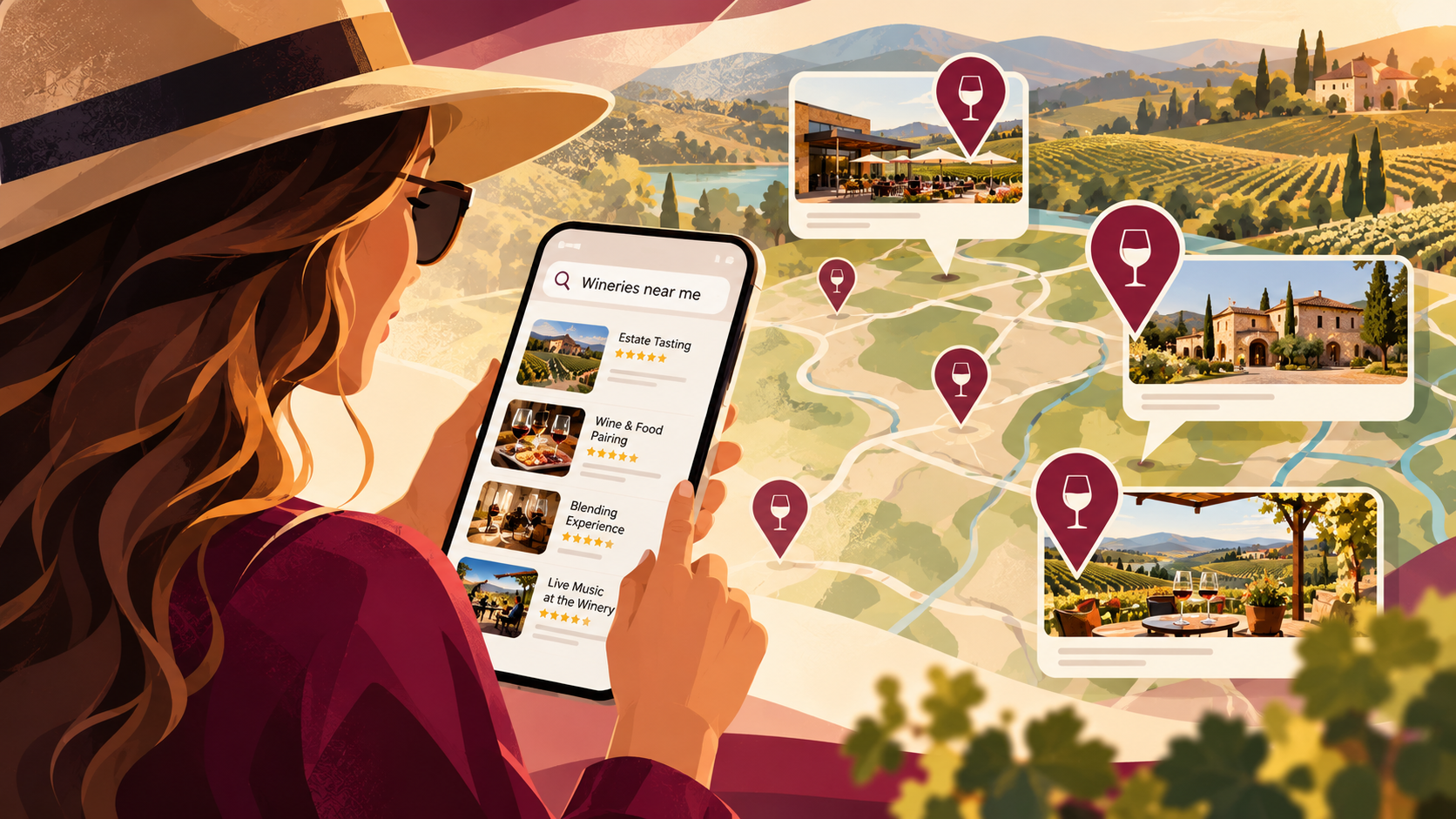
Your website is often the first impression guests have of your tasting room. AI tools can help you identify what your website is missing, suggest improvements, and highlight the content your actual visitors are searching for. This isn’t about attracting a hypothetical “ideal guest”—it’s about making your online presence more effective for the people who are genuinely visiting.
AI can analyze your tasting menu and provide feedback on wine order, pairings, and pricing structure. The goal is to design a menu that resonates with the consumers who are walking through your door today—not just the ones you hope to attract. Small adjustments, informed by AI insights, can increase purchases, improve guest satisfaction, and highlight wines that might otherwise go unnoticed.
Planning events or special experiences? AI can help you write compelling descriptions and marketing copy quickly. By feeding AI the persona of the ideal consumer you want to attract, it can craft copy that appeals to that audience. Then, try the same exercise using the persona of your average tasting room visitor. This experimentation shows how messaging changes depending on the audience and gives you ideas for tailoring communications to real-world guests.
Your team is the heart of your tasting room experience. AI can help identify areas where staff can improve upselling, suggest wines to highlight, and provide tips for creating memorable interactions. Giving your staff actionable insights lets them increase tasting room sales while enhancing the guest experience.
AI doesn’t just improve operations—it can also guide your marketing efforts. From creating personalized thank-you notes that can be dropped into wine cases or shopping bags to small, targeted email campaigns, AI can help you create gestures that encourage repeat visits. The whole idea is to experiment and understand the power AI offers: getting a lot done quickly, with insights generated by you, at the cost of your time rather than a high-priced consultant.
The key to success with AI is to start small. Experiment with one tool, gather insights, test small changes, and evaluate results. Feed it real data about your guests, your menu, or your events, and see what it suggests. By starting slowly, you give yourself the space to learn and adapt, and over time, these small steps can lead to meaningful improvements in your tasting room operations, marketing, and guest experiences.
AI is not a replacement for the human touch in your tasting room—it’s a way to enhance it. By starting with simple, practical applications—optimizing your website, refining your menu, generating event and marketing copy, training staff, and improving guest follow-up—you position your tasting room to perform better this summer.
The sooner you start experimenting, the more you’ll discover what works for your guests, and the more you’ll appreciate how much can be accomplished quickly and independently, for the investment of your time alone.