Why today's wine travelers choose memorable experiences over great wine alone—and how your winery can stay ahead.

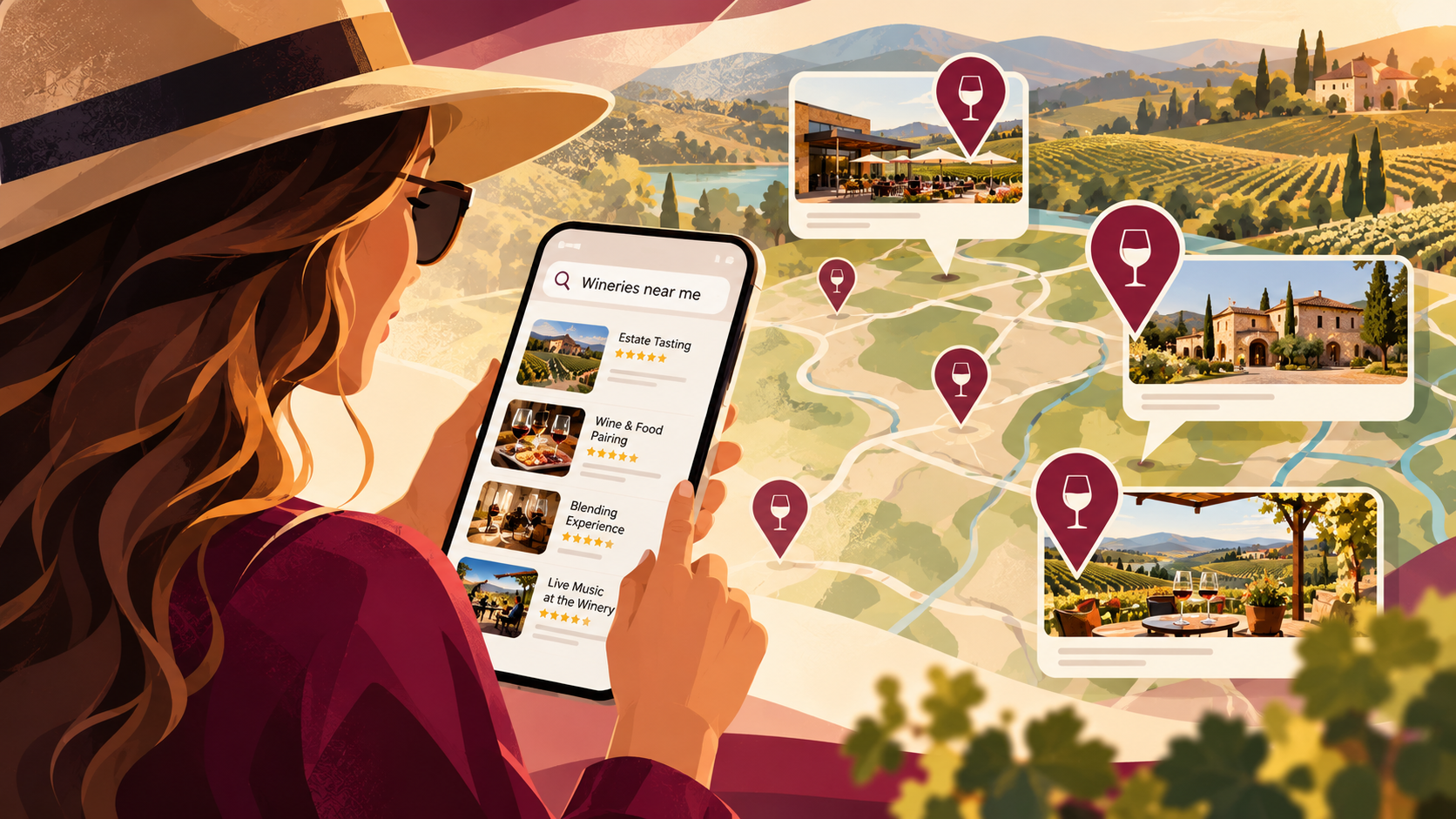
For years, wineries competed primarily on wine quality, reputation, and location. While those factors still matter, today's visitors are making decisions differently. They're researching online, asking AI-powered trip planners for recommendations, reading reviews, comparing experiences, and building carefully planned itineraries before they ever leave home.
The wineries seeing increased visitation aren't necessarily producing better wine—they're delivering better guest experiences and making those experiences easy to discover.
If your tasting room has seen softer traffic, fewer reservations, or increased competition, it may be time to rethink how your winery is presented to today's traveler.
Your visitors already assume your wine is good. What they don't know is what it feels like to spend an afternoon at your property.
Instead of leading with vineyard acreage, awards, or technical tasting notes, show guests what they'll experience.
Do they walk through vineyards with a host? Explore historic caves? Enjoy a seated tasting overlooking the vines? Pair wines with artisan cheeses or locally prepared cuisine?
People don't plan vacations around tasting notes—they plan them around memorable experiences.
Ask yourself: If someone had only ten seconds on your website, would they understand why your experience is different from the winery down the road?
Today's visitors have very different expectations.
A first-time wine traveler wants education and a relaxed atmosphere.
Collectors may be looking for rare vintages and library wines.
Couples often prioritize scenery and intimacy.
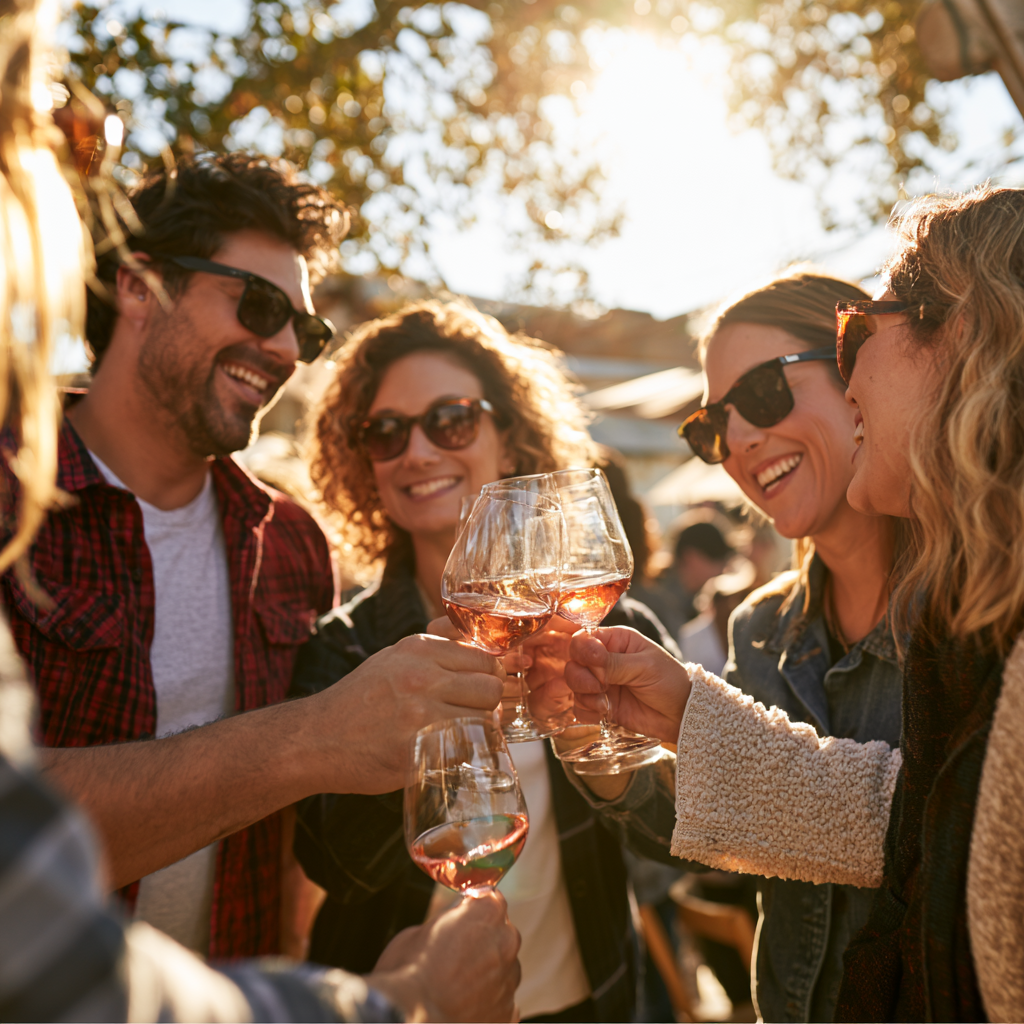
Groups are searching for fun, social experiences.
Families may appreciate outdoor seating, open space, and activities that make everyone feel welcome.
Offering multiple experiences designed for different audiences allows your tasting room to appeal to a much broader range of visitors.
Most visitors won't spend an entire day at your winery.
They're planning breakfast, coffee, scenic drives, shopping, lunch, two or three winery visits, dinner, and perhaps a hotel stay.
That means your winery isn't simply competing against neighboring wineries—you're competing for one of only a few available time slots during a visitor's day.
The question isn't "Will they visit Napa Valley?"
It's "Why should they choose your winery over the dozens of other options available?"
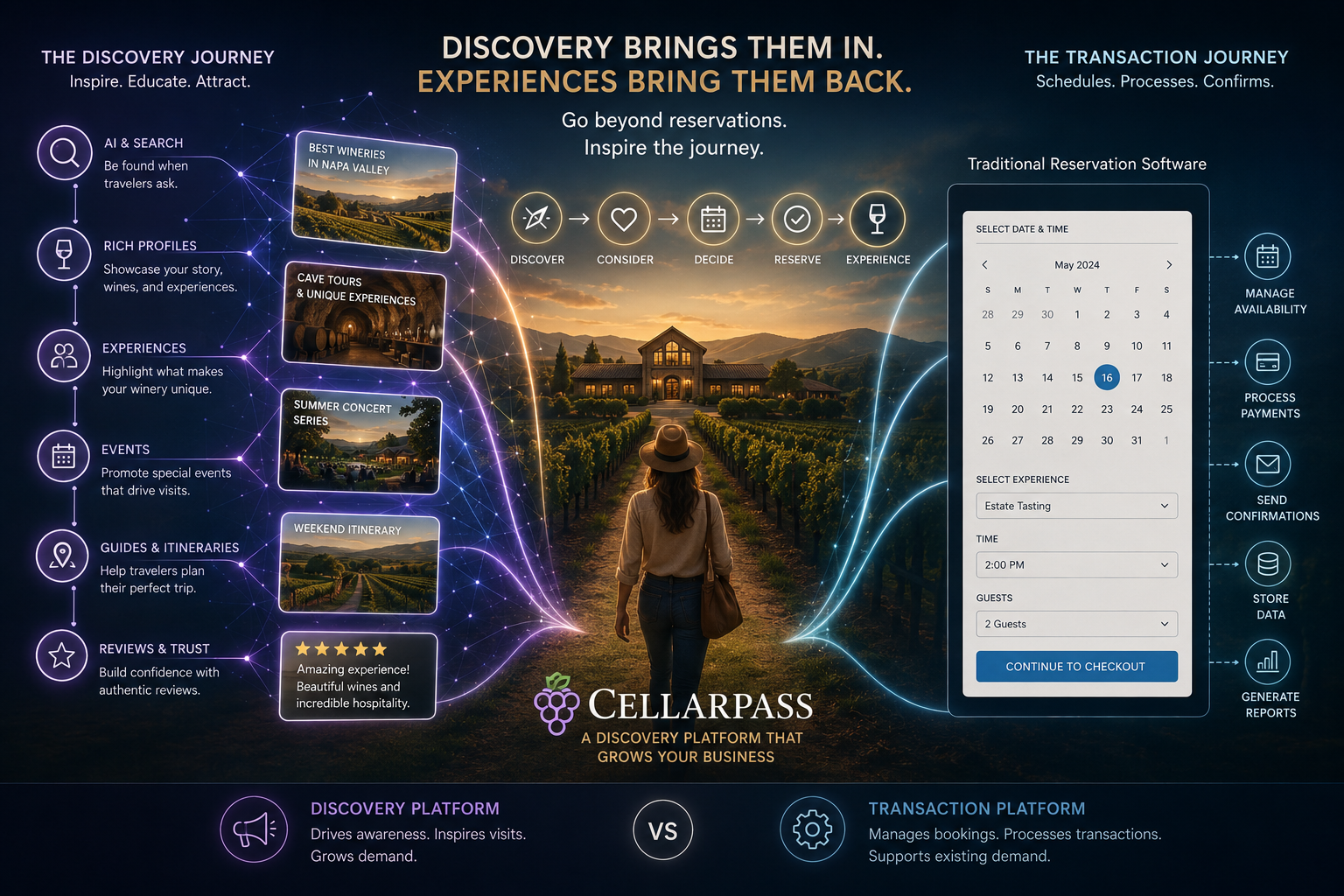
Consumers expect to reserve experiences as easily as they book restaurants or hotels.
Long reservation forms, confusing tasting names, hidden pricing, or requiring guests to call during business hours all create unnecessary friction.
Every additional step increases the likelihood that someone books elsewhere.
The best booking experience is one your guests barely notice.
Many winery websites still rely heavily on bottle photography, vineyard landscapes, and empty tasting rooms.
While beautiful, these images don't help visitors imagine themselves at your property.
Show people.
Show couples laughing over a tasting flight.
Show families enjoying your outdoor spaces.
Show vineyard walks, food pairings, harvest season, live music, and your hospitality team creating memorable moments.
People don't buy wine experiences—they buy the feeling they'll have while they're there.
Many winery descriptions sound nearly identical.
"Family-owned winery producing award-winning wines from sustainably farmed vineyards."
That could describe hundreds of wineries across wine country.
Instead, identify what guests consistently remember.
Perhaps you're known for:
Your winery should have a clear answer to one simple question:
"What are we best known for?"
If that answer isn't immediately obvious, it may be time to refine your messaging.
Increasingly, travelers are asking ChatGPT, Google, Gemini, and other AI assistants questions like:
AI recommendations depend entirely on the information available online.
If your website clearly explains your experiences, amenities, specialties, audience, and unique offerings, you're far more likely to appear in these recommendations.
If it doesn't, AI has very little to work with.
Wine may be the reason guests visit a region—but it's rarely the only activity on their itinerary.
Today's travelers are also looking for:
The wineries that embrace partnerships with restaurants, hotels, and local attractions create a richer experience for visitors while strengthening the destination as a whole.
When the destination succeeds, everyone benefits.
Too many wineries communicate only when it's time to sell wine.
Instead, continue inspiring future visits.
Share seasonal events.
Highlight harvest activities.
Recommend local restaurants.
Feature nearby experiences.
Celebrate your hospitality team.
Provide reasons to return—not just reasons to purchase.
Strong relationships lead to repeat visits, referrals, wine club growth, and long-term loyalty.
Exceptional wine gets guests through the door.
Exceptional hospitality brings them back.
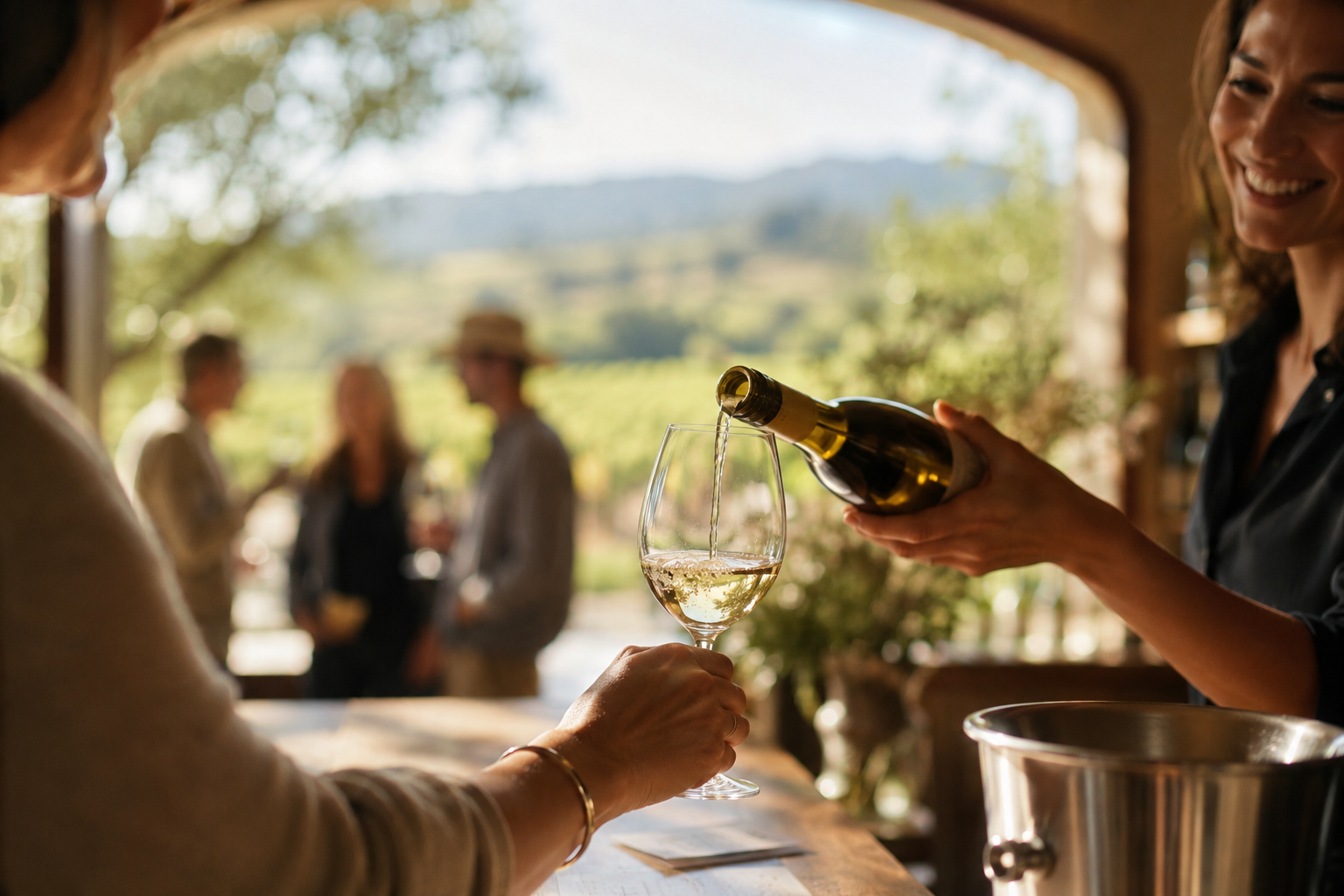
Visitors remember the associate who made them feel welcome.
The unexpected library pour.
The vineyard dog that greeted them.
The incredible view.
The winemaker stopping by to say hello.
The personalized recommendation for the next stop on their trip.
Those moments become five-star reviews, social media posts, recommendations to friends, and future reservations.
Wine creates interest.
Hospitality creates advocates.
The wineries attracting the next generation of visitors aren't simply producing outstanding wines.
They're creating experiences worth talking about.
They're easy to discover online.
They're simple to book.
They're clear about what makes them unique.
And they're thinking beyond the tasting room by becoming an essential part of a visitor's entire wine country journey.
As consumers increasingly rely on AI-powered trip planning, personalized recommendations, and curated itineraries, wineries that invest in hospitality, storytelling, and discoverability will have a significant advantage.
The opportunity has never been greater—but neither has the competition.
The question every winery should be asking isn't, "How do we get more visitors?"
It's "If someone were planning a wine country trip today, what would make them choose us?"