If your winery events aren’t selling out—and you’re publishing them just 3–4 weeks in advance—this isn’t a demand problem.

If your winery’s special events aren’t selling out—and you’re publishing them just 3–4 weeks before they happen—this isn’t a demand issue.
It’s a planning issue.
And it’s one that works against you long before the first ticket goes on sale.
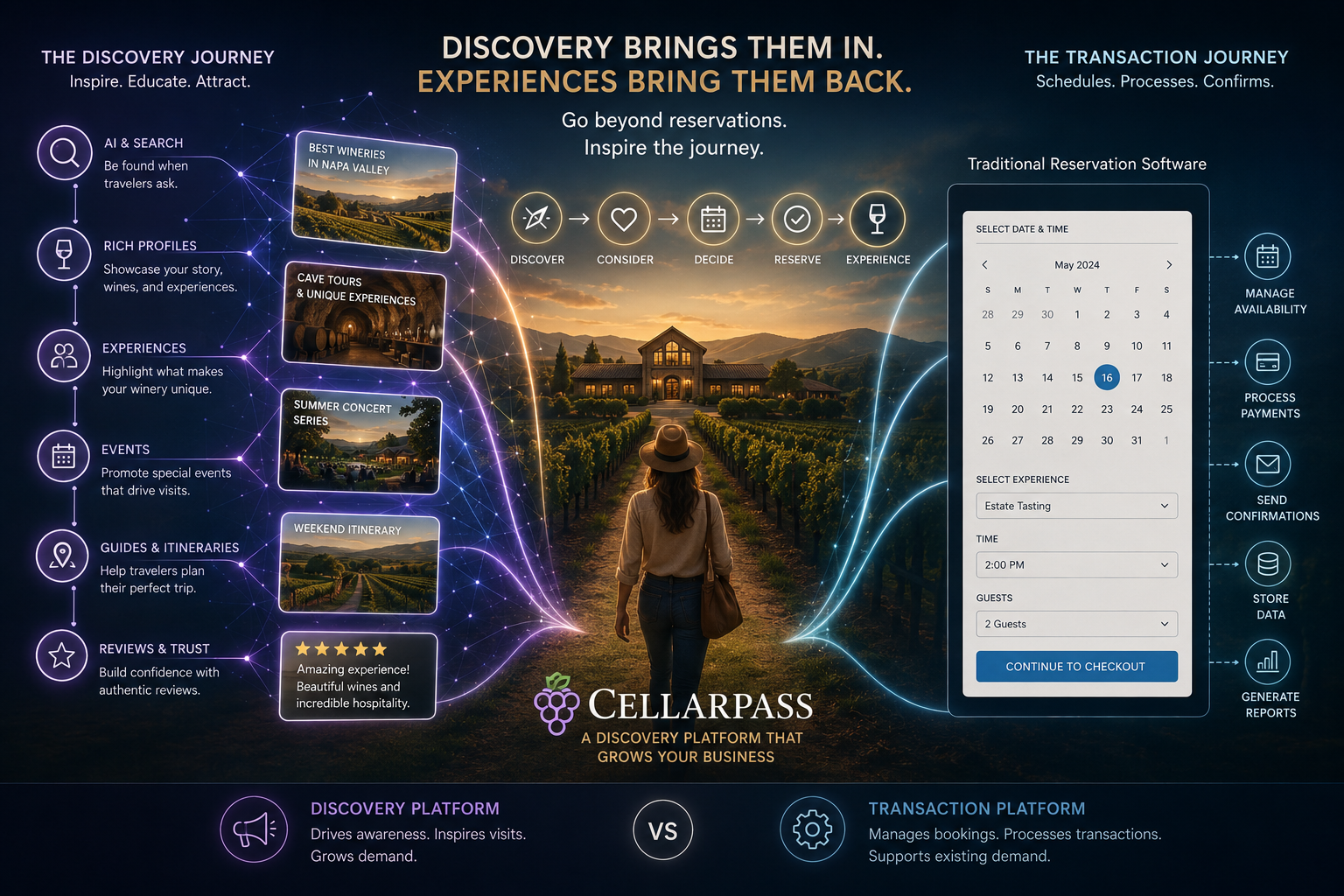
Wine travelers today are not browsing casually. They are planning intentionally, often months in advance, building full itineraries in one or two sessions.
When guests visit CellarPass, they are:
They book what’s visible in that moment.
If your event isn’t published yet, it doesn’t get considered later—it gets replaced.
One of the most persistent—and costly—assumptions we hear is:
“People will check back once we post it.”
They don’t.
Once guests finalize their itinerary, they rarely revisit it. By the time an event appears 3–4 weeks out:
At that point, you’re not competing for planners—you’re hoping someone cancels something else.
That’s not a winning strategy.
There’s another consequence that often gets overlooked: missed FOMO.
Your most loyal fans—the guests who already love your wines—often discover events too late. They see the listing, get excited, and then realize:
That disappointment doesn’t create urgency.
It creates frustration.
And frustration doesn’t convert—it erodes goodwill.
When events are posted last minute, guests don’t just think:
“Oh, that’s too bad.”
They think:
Poor event planning—or the perception of it—reflects on:
Even when the event itself is exceptional, late visibility can unintentionally undermine trust.
Publishing an event on CellarPass does not require everything to be finalized.
It takes just a few minutes:
That’s it.
Details can be refined.
Menus can be updated.
Staffing can be adjusted.
But visibility can’t be retroactively recovered.
CellarPass booking behavior consistently shows:
Early publishing attracts planners—the guests most likely to commit, spend, and show up.
Timing is the biggest factor—but it’s not the only one. When events struggle, we consistently see these additional issues:
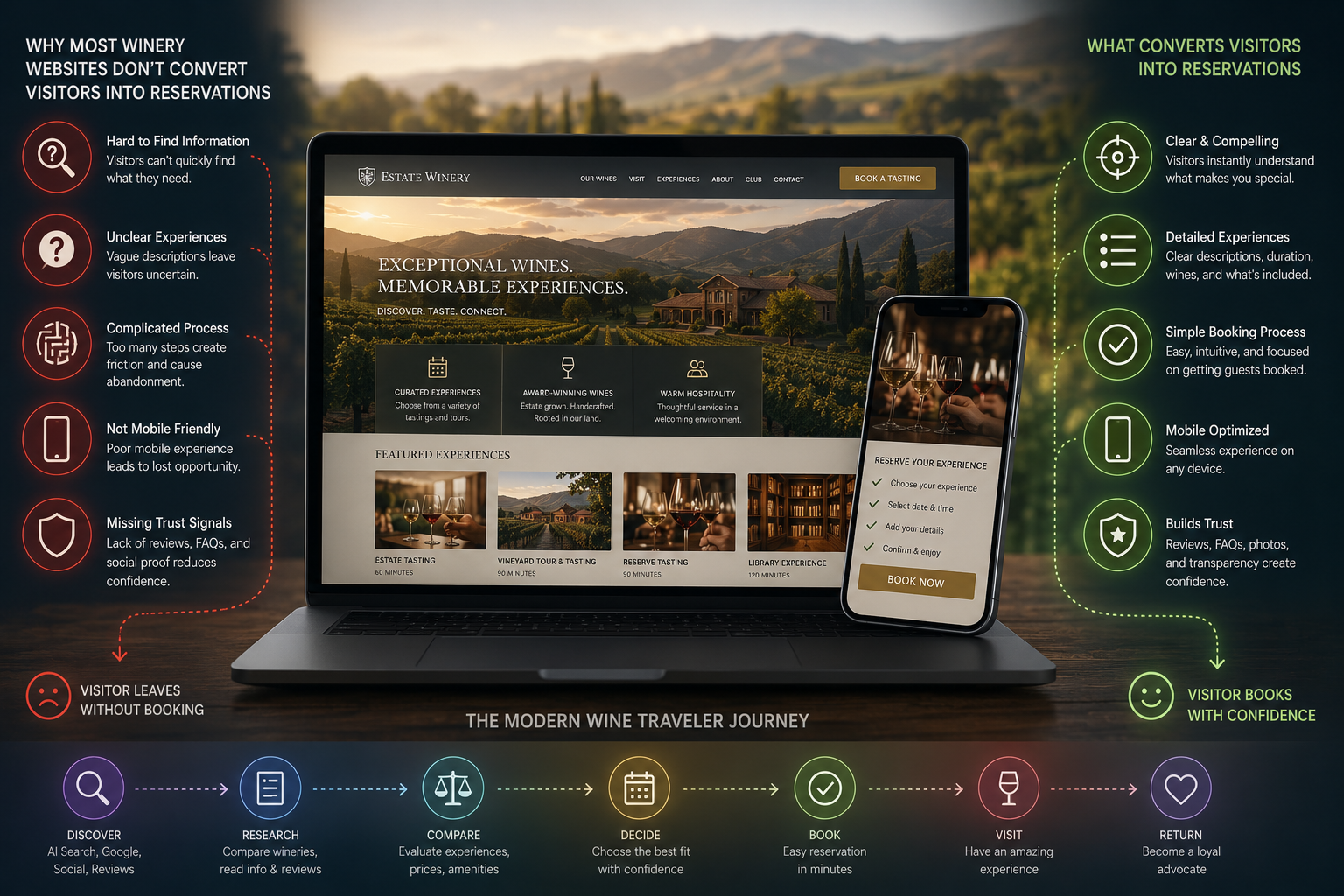
If guests can’t immediately understand why the event is special, they won’t justify buying a ticket.
Events need to clearly communicate:
Larger events feel safer—but they’re harder to fill.
Smaller, limited-capacity events:
Selling out 24 seats beats half-filling 60 every time.
Events sell best when tied to:
Random dates without context are harder for guests to plan around.
Events perform better when guests instantly know:
Clarity increases confidence—and conversion.
If a guest can book a regular tasting the same day for less money, with little perceived difference, many will.
Events must clearly answer:
“Why should I book this instead?”
When events are published late:
Early publishing doesn’t just increase visibility—it gives your event time to improve.
Publishing your 2026 events early:
There are very few operational changes with this much upside and this little effort.
Break the habit of posting events 3–4 weeks out.
Publish early.
Let guests find you while they’re still planning.
Because once their itinerary is full, even your best event won’t be part of it.
You don’t have to figure this out on your own.
The CellarPass team is happy to:
All it takes is a quick meeting and you'll be on the right foot on selling out your events.
A short conversation now can dramatically improve your results later—and help your events reflect the quality and professionalism of your winery.