5 CellarPass strategies to overcome 2026 winery challenges and bring guests back to your tasting room.

As we enter 2026, wineries face a rapidly changing marketplace. Consumer behaviors are shifting, travel patterns are evolving, and traditional tasting room strategies may no longer generate consistent traffic. For wineries, tasting room visits remain a critical revenue stream, but modern marketing strategies are essential to attract guests in an increasingly competitive landscape.
In this article, we explore the top challenges wineries will face in 2026 and share five actionable strategies using CellarPass to drive wine tasting traffic and enhance wine experiences.
Fewer travelers are visiting wine regions spontaneously. Many consumers now prefer shorter trips or multi-experience destinations. Wineries that rely on predictable seasonal surges are seeing softer weekends and reduced weekday visits.
Even with reservation platforms like CellarPass, wineries face intense competition for consumer attention. Wine enthusiasts are overwhelmed with options — from hundreds of tasting rooms in a single region to competing leisure experiences like dining, wellness, and travel. Simply being listed online isn’t enough to drive visitation.
Wineries need to actively differentiate themselves, highlight unique experiences, and reach consumers at the right moment. Standing out requires compelling storytelling, high-quality visuals, and strategic promotion of events and offerings that make your winery a must-visit destination.
Digital advertising costs continue to climb. Organic social reach is limited, and inboxes are saturated with marketing emails. Acquiring new tasting room guests solely through paid channels is increasingly expensive and often inefficient.
Millennials and Gen Z wine consumers value experiences over transactions. They expect digital convenience, instant confirmations, and personalized engagement. Wineries that fail to modernize their marketing and booking systems risk falling behind.
Wine now competes with entertainment, travel, dining, and wellness experiences. Your tasting room must offer a compelling reason for guests to leave home and choose your winery over other options.
Consumers are more likely to travel when there is perceived value and discovery built into the experience. CellarPass makes it easy to participate in multi-winery tasting programs and regional events that drive coordinated traffic.
Programs like Cellar Sale Weekend and seasonal wine passports create urgency, giving guests a reason to plan their visit now. Collective regional promotion increases exposure and attracts more visitors than marketing alone.
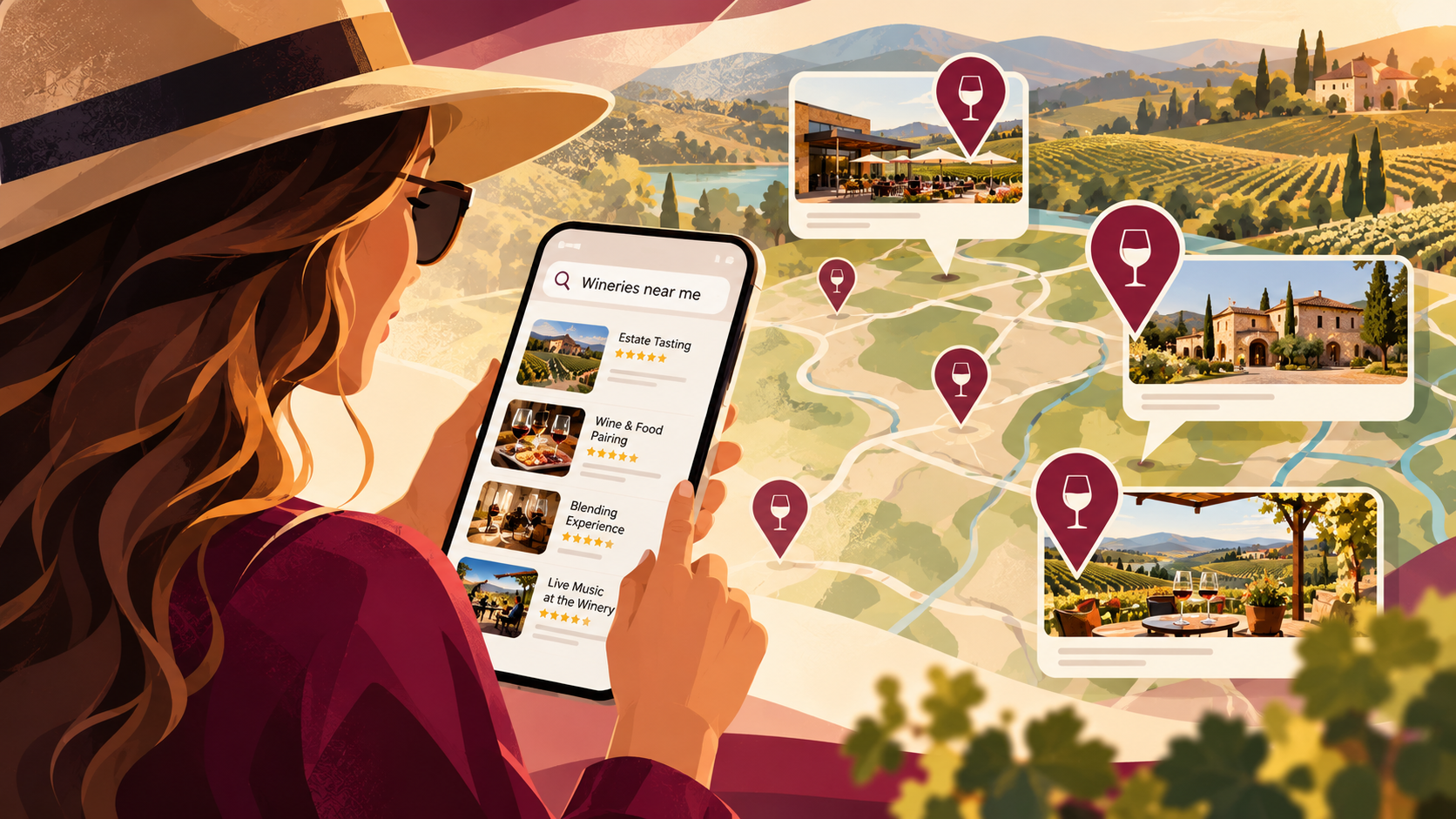
Getting discovered by the right audience is a challenge even with a strong reservation platform. Wineries need to ensure they are visible when consumers are actively planning their trips.
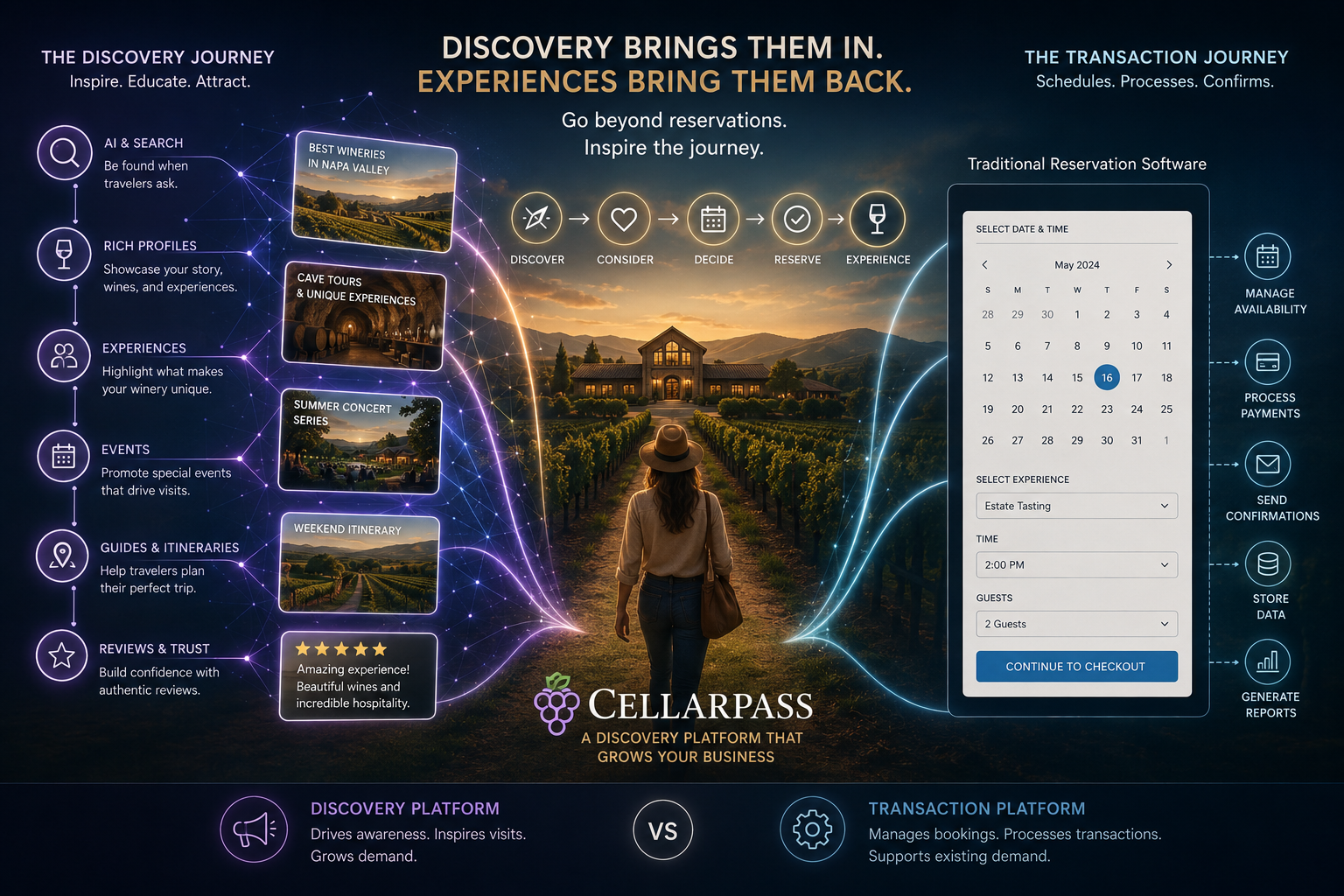
CellarPass functions as a discovery platform, helping wineries:
This strategy positions your winery as a destination guests want to visit, increasing bookings from new audiences.
Rather than relying solely on paid advertising, wineries can use CellarPass to attract visitors actively seeking wine experiences.
Your listing becomes:
This method targets consumers with intent, reducing acquisition costs while improving conversions.
Consumers respond to exclusivity and time-bound offers. In 2026, experiences will outperform discounts. Guests want unique, memorable, and timely moments.
Use CellarPass to promote:
CellarPass allows wineries to:
Limited-time experiences generate urgency, increase bookings, and create marketing content for email, social, and SMS campaigns.
Driving traffic is only half the battle. Converting visitors into repeat customers is essential for long-term success.
CellarPass provides structured guest data capture, allowing wineries to:
Data-driven marketing ensures tasting room traffic becomes loyal, repeatable revenue.
During the appointment-only era, wine visits became transactional. Guests arrived, tasted, and left. Discovery and spontaneity were lost.
CellarPass restores dynamic exploration. Guests spend more time, visit more wineries, and enjoy richer experiences. Regional programs benefit all wineries by increasing traffic and awareness.
The wineries that will thrive in 2026 are adaptable. They:
Tasting rooms remain the most powerful direct-to-consumer channel in wine. Success in 2026 requires evolving strategies that meet modern consumer expectations while creating memorable wine experiences.