In 2026, the digital landscape for wineries and tasting rooms has shifted. While SEO (Search Engine Optimization) has long been the backbone of online visibility, GEO (geolocation) strategy is emerging as the more powerful tool to attract visitors, increase foot traffic, and drive tasting room sales. For wineries and tasting rooms looking to stay ahead of their neighbors, understanding GEO and implementing a strategy is no longer optional—it’s essential.
Understanding the Difference: GEO vs. SEO
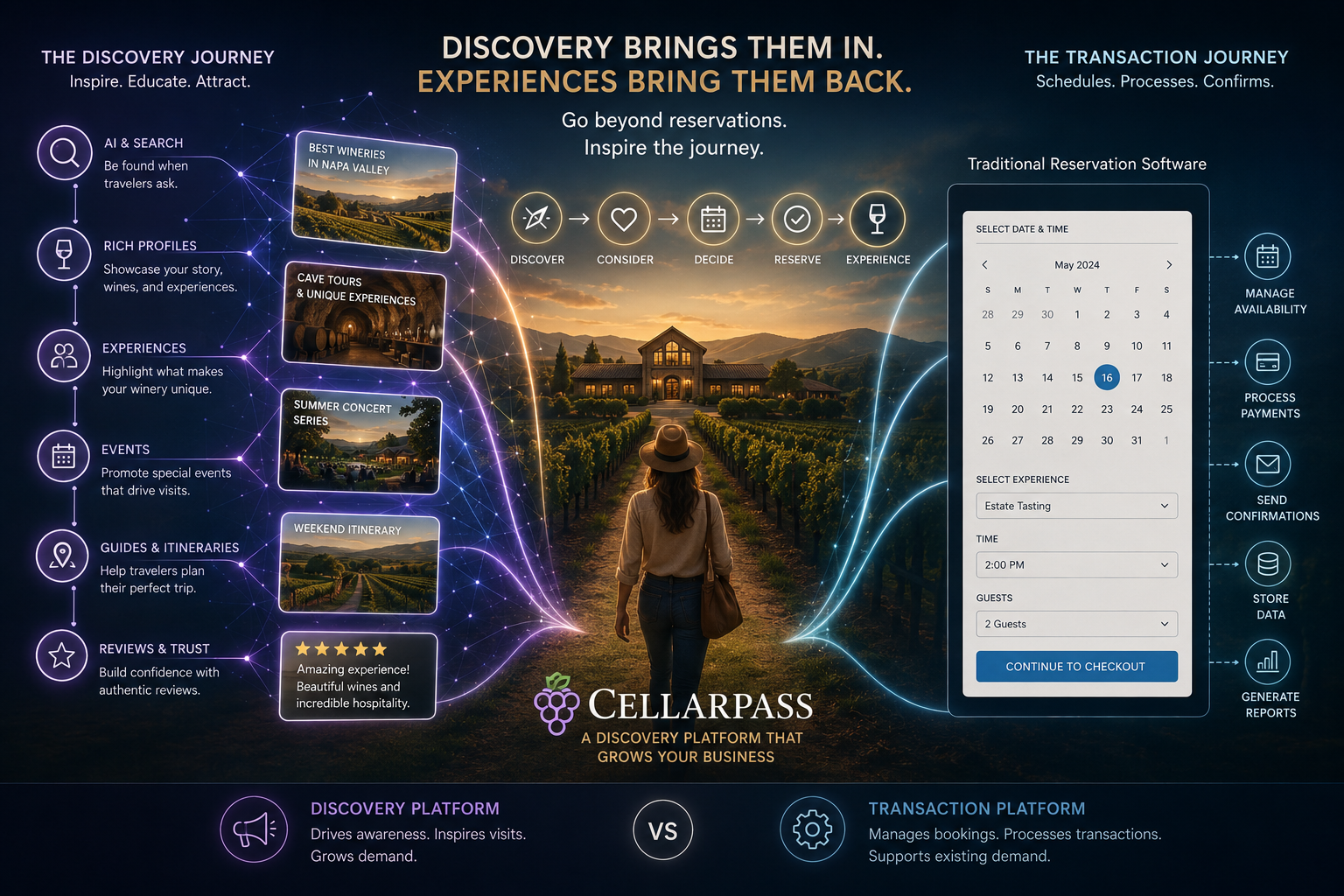
SEO focuses on optimizing your website to appear in search results. It relies on keywords, content quality, backlinks, and technical site health. While SEO is critical for building long-term brand presence online, it has limitations:
- It attracts visitors primarily searching online, not necessarily those nearby or ready to visit.
- Rankings take time to climb and are subject to constant algorithm updates.
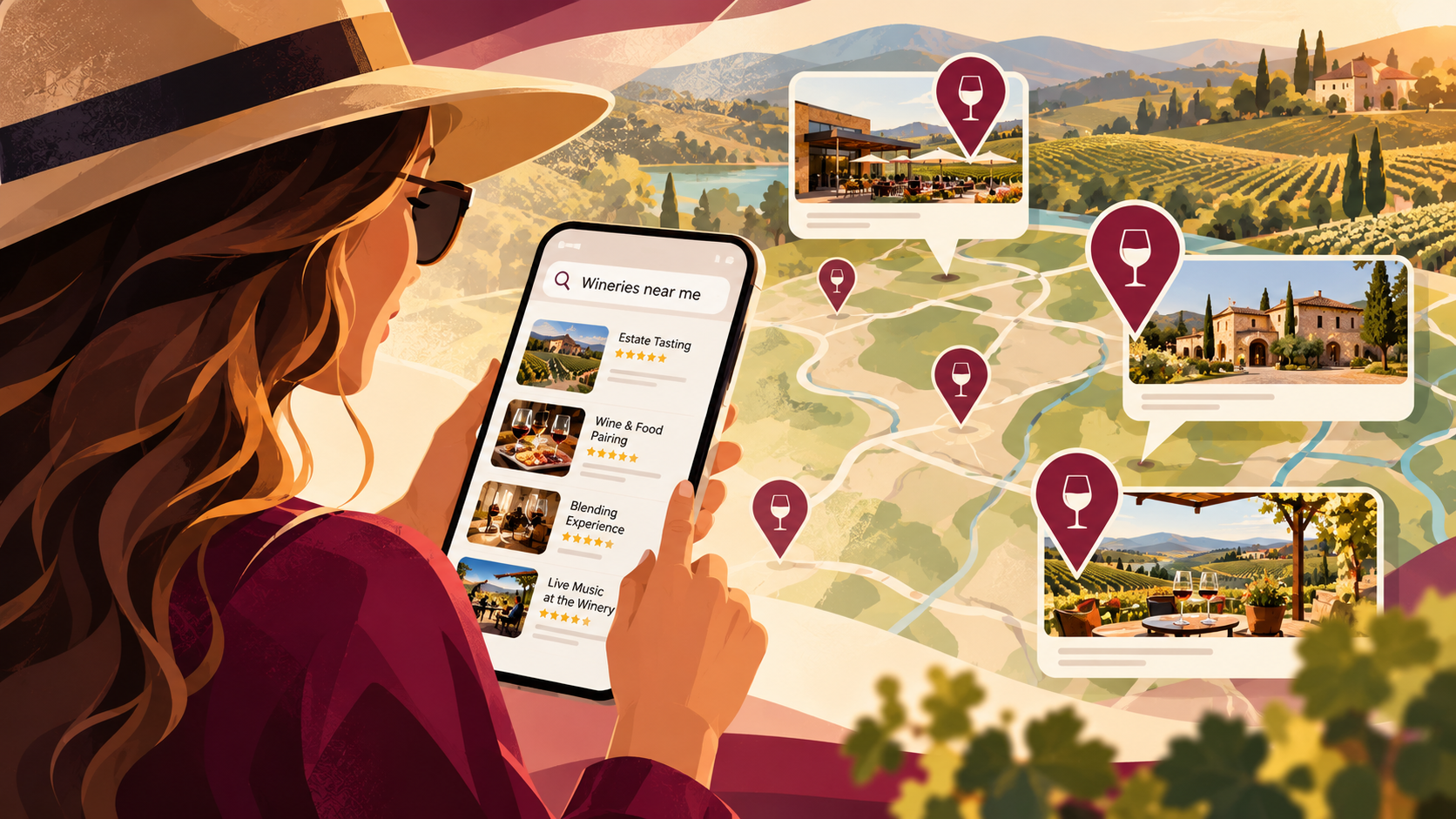
GEO marketing, by contrast, leverages location-based technology to connect with potential customers in real time and in the immediate area. This includes:
- Geo-targeted ads: Promote your tasting experiences to people currently in or near your region.
- Location-aware notifications: Alert nearby users to events, tastings, or flash offers via mobile apps.
- Map and listing optimization: Ensure your winery appears first in Google Maps, Apple Maps, and local discovery apps.
For tasting rooms, GEO strategy ensures you’re visible when it matters most: when someone is physically close and ready to experience wine, rather than browsing from home.
Why GEO Wins for Wineries
- Captures Spontaneous Visitors
Many wine consumers plan trips loosely, relying on local recommendations or location-aware apps. GEO allows you to target people within a few miles of your tasting room, turning casual passersby into visitors without requiring them to search for you. - Outperforms Competitors Nearby
Even if your winery isn’t the largest or most famous, a smart GEO strategy can put you in front of potential guests before your neighbors. Imagine two tasting rooms in Napa Valley: one has excellent SEO but a generic online presence, the other has a targeted GEO campaign alerting nearby tourists about a limited-release tasting. The latter wins the foot traffic battle. - Drives Immediate Conversions
GEO marketing works in real time. You can promote last-minute tastings, special events, or limited wine releases to people in proximity, increasing immediate sales and creating memorable experiences that drive loyalty.
Creating a GEO Strategy for Your Winery
To take full advantage of GEO marketing in 2026, wineries should:
- Audit Your Digital Footprint: Ensure your location is correct across Google Maps, Apple Maps, Yelp, TripAdvisor, and CellarPass. Small errors can cost visitors.
- Leverage Mobile Marketing: Use SMS campaigns or push notifications to alert visitors nearby about exclusive offers or tastings.
- Segment Your Audience: GEO isn’t just about location—it’s about timing and behavior. Target tourists differently than local wine club members.
- Measure and Adjust: Track which campaigns convert to visits and optimize in real time. GEO allows for rapid experimentation, unlike SEO, which is slower to respond.
The Bottom Line
In 2026, wineries and tasting rooms that prioritize GEO marketing over relying solely on SEO will capture more visitors, generate more sales, and outshine their neighbors. SEO is still valuable, but a comprehensive GEO strategy ensures your winery is visible when it matters most: in the moment, in your region, and in the hands of people ready to experience your wines.
By embracing GEO, your tasting room can go beyond online visibility and create real-world engagement that builds both revenue and lasting customer relationships.