Luxury Wine Tastings Are Out: 5 Value-Added Winery Experiences for 2026
For years, the wine industry defined premium by high price points, private lounges, and elevated tasting fees. In 2026, that model is losing momentum. Today’s wine traveler is redefining value.
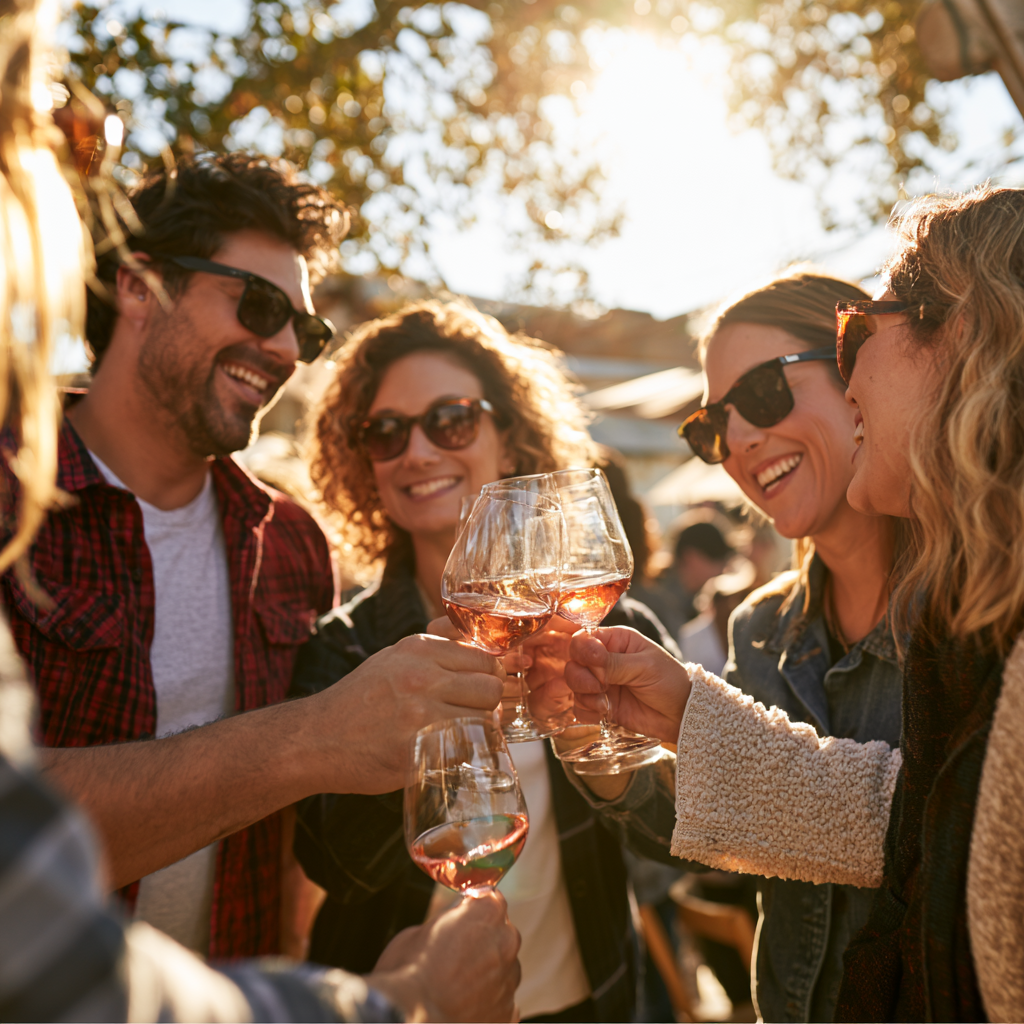
Luxury for the sake of luxury is no longer the primary driver. Instead, consumers are choosing experiences that feel interactive, social, creative, and worth sharing. They want connection. They want atmosphere. They want to gather with friends, create something memorable, and post about it later.
For wineries, this is good news. Value-added experiences generate revenue, build loyalty, and create organic marketing moments without relying solely on elevated tasting fees.
Below are the key trends driving this shift and five wine tasting experiences gaining traction in 2026.
Guests no longer equate high prices with high value. They equate value with how the experience made them feel.
While wine education still matters, many visitors do not want to sit through a formal seminar. They want relaxed, enjoyable environments where wine is part of the gathering, not the lecture.
If guests can create something tangible and visually appealing, they are far more likely to share it. User-generated content has become one of the most powerful marketing channels for wineries.
Creative experiences increase dwell time, boost wine sales during the event, and often convert attendees into wine club members because the emotional connection runs deeper.
In 2026, one of the most popular wine tasting formats blends creativity with community. Think floral centerpiece workshops, succulent garden building, candle pouring, seasonal wreath making, painting nights, or even custom label art sessions.
Guests gather with friends, enjoy wine in a relaxed setting, and leave with something they made themselves. The winery provides the space, the wine, and the vibe. A local artisan leads the creative component.
This is not about structured wine education. It is about atmosphere and experience. The wine becomes the social glue rather than the focal lecture.
Why it works:
It is a win-win-wine. Guests get memories and content. Wineries get exposure and incremental revenue.
Today’s guests do not always want to sit at a tasting bar or remain seated for 90 minutes. They want to move. They want to explore.
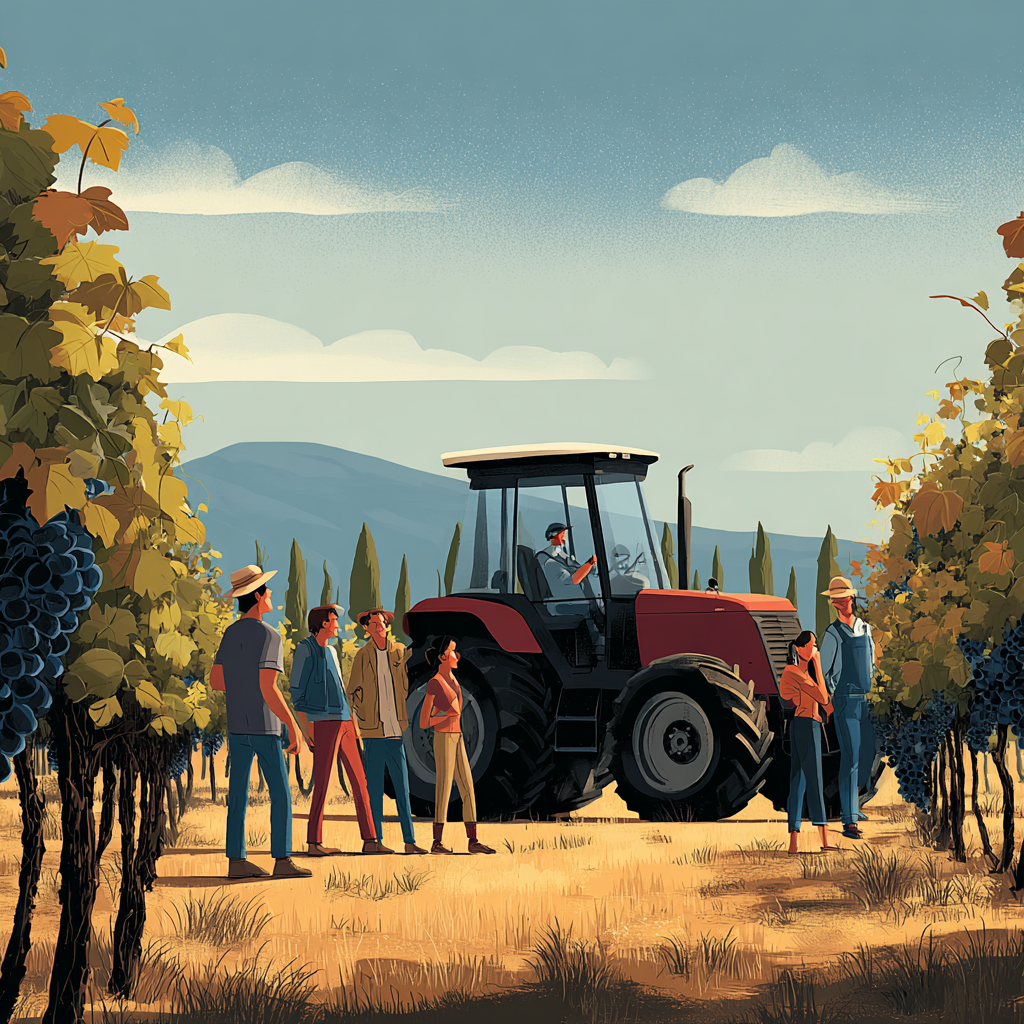
Exploratory tasting formats allow guests to walk the vineyard, step inside the cellar, see fermentation tanks up close, and experience your property as a living, breathing place. This can include guided vineyard walks, sustainability tours, harvest equipment demonstrations, composting and water conservation discussions, or blending sessions inside the barrel room.
Wine is tasted along the journey, not confined to a single seated experience.
These immersive formats feel dynamic and authentic. They also allow wineries to showcase sustainable farming practices, regenerative agriculture efforts, solar installations, water management systems, and other behind-the-scenes investments that today’s consumers increasingly value.
Why it works:
When guests physically experience your vineyard and cellar, the connection becomes personal.
Rather than formal pairing lectures, consider interactive small bites, build-your-own boards, or chef pop-ups. Guests want to experience how flavors work together in a relaxed, social environment.
Why it works:
Yoga in the vines, guided meditation at sunset, vineyard walks, and mindful tasting experiences are attracting a growing wellness-minded audience.
Wine becomes part of a balanced lifestyle rather than an indulgence.
Why it works:
Instead of traditional varietal flights, create themed journeys. Vertical tastings that tell the story of a vintage. Regional comparisons. Winemaker favorite selections.
Keep the storytelling engaging and concise. Guests want narrative, not a classroom.
Why it works:
Luxury for the sake of luxury is fading. Consumers want experiences that feel welcoming, creative, and authentic.
To stay competitive:
When guests gather with friends, create something beautiful, explore your vineyards, and post about it later, your winery becomes part of their story.
That is marketing you cannot buy. And in 2026, that is the new definition of value.