Discover the winery images that actually drive SEO visibility, engagement, and bookings — and why authentic experiences outperform.
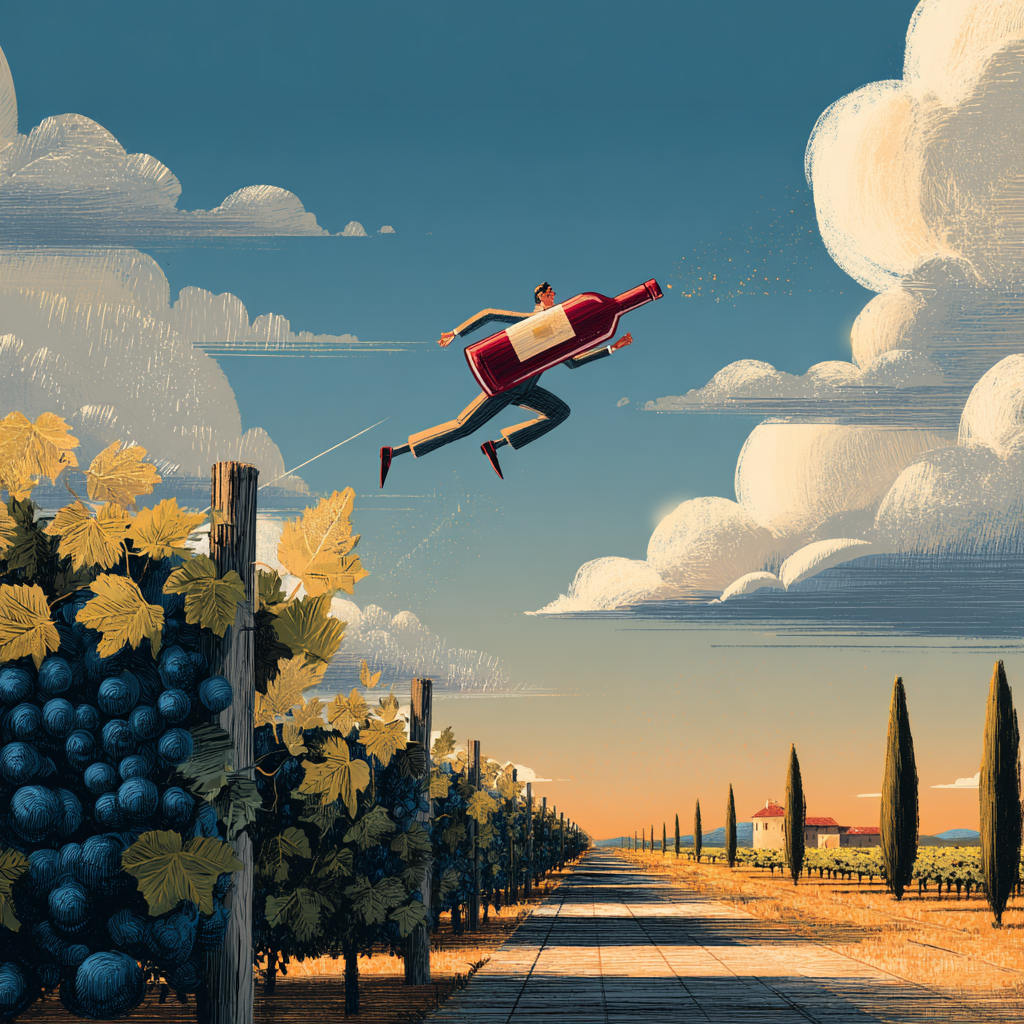
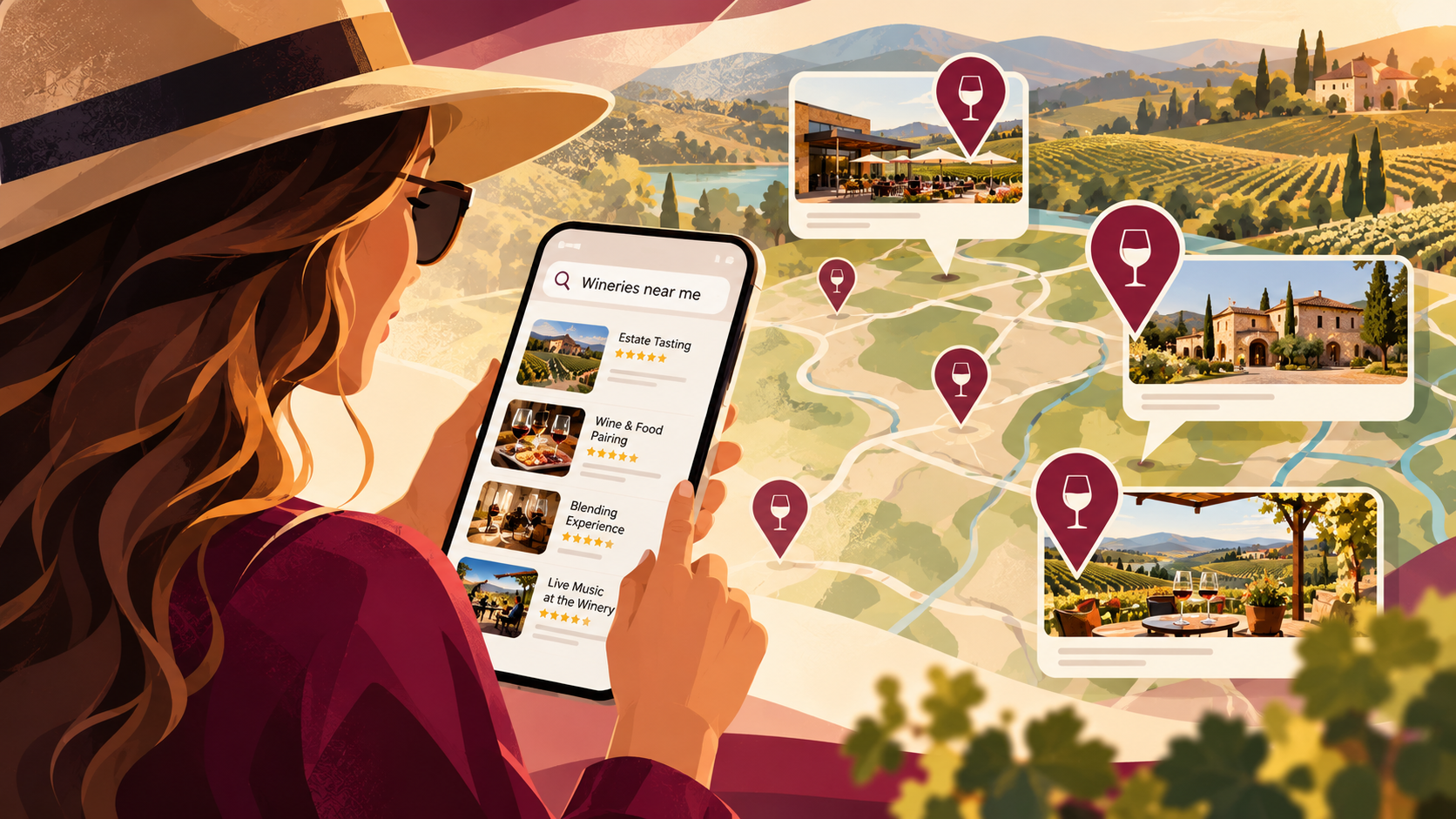
When wineries think about SEO, the focus is often on keywords, blog posts, and backlinks. But image search has become one of the most overlooked drivers of discovery — especially for tasting rooms, hospitality experiences, weddings, and wine tourism.
The good news? The images that tend to perform best in search are not always the polished drone shots or sweeping valley panoramas wineries assume they need.
In reality, Google increasingly rewards images that match user intent and engagement behavior.
Here are the types of winery images that consistently generate stronger visibility and engagement in image search:
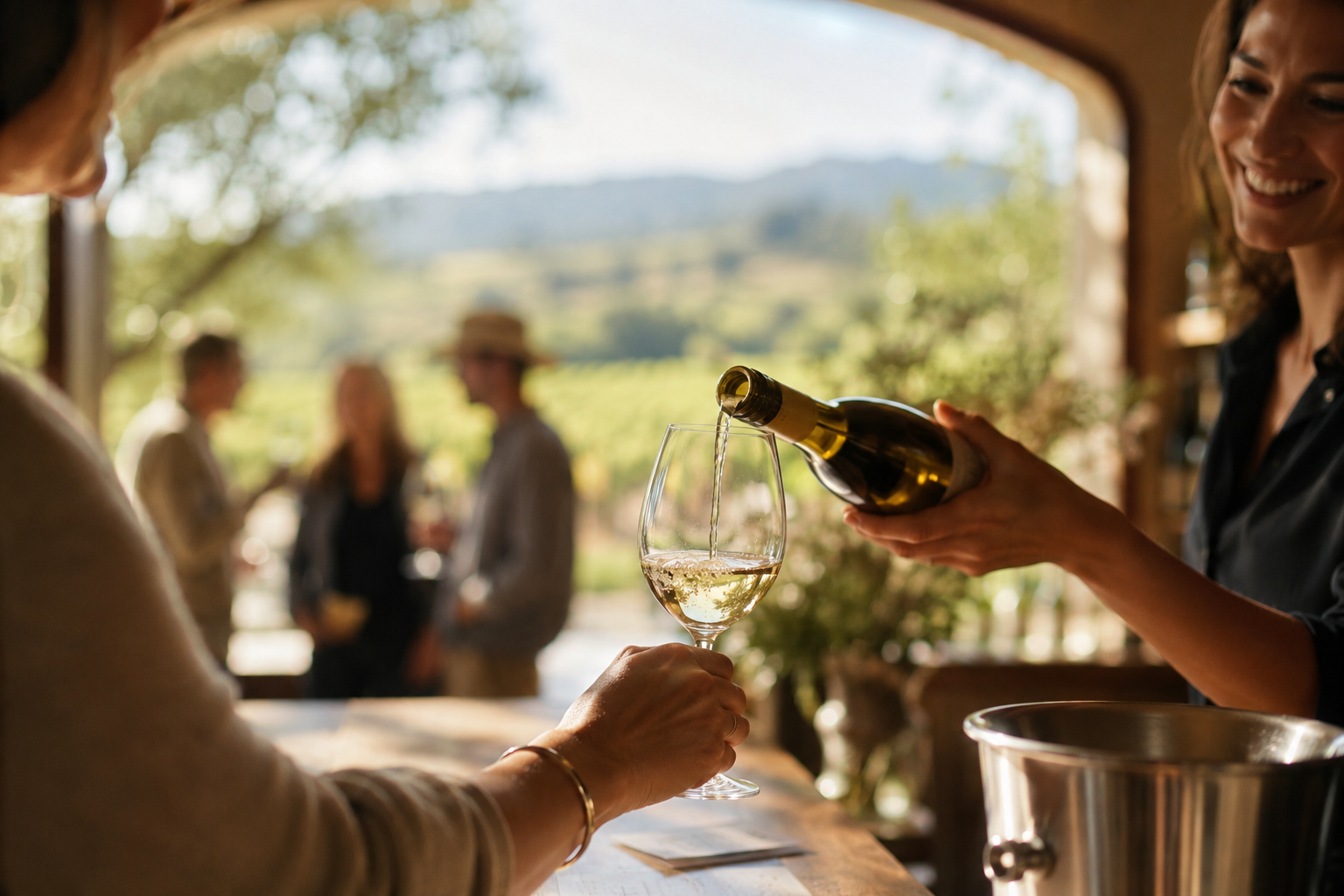
Image TypeWhy It WorksPeople tasting wineSignals experiential intent and hospitalityFood pairingsConnects to lifestyle and culinary searchesWine cavesHighlights unique property featuresBarrel roomsAdds texture, atmosphere, and visual interestVineyard rowsReinforces place recognition and wine country identityEvents & weddingsSupports social and destination relevanceSommeliers pouring wineDemonstrates expertise and serviceSeasonal momentsKeeps content fresh and timelyHistoric buildingsAdds architectural and regional appealClose-up wine shotsAppeals to sensory and product-focused searches
Beautiful landscape photography still has value, but search behavior has changed.
Users searching for wineries today are often looking for:
That means Google’s image algorithms increasingly favor images that communicate activity, emotion, and context — not just scenery.
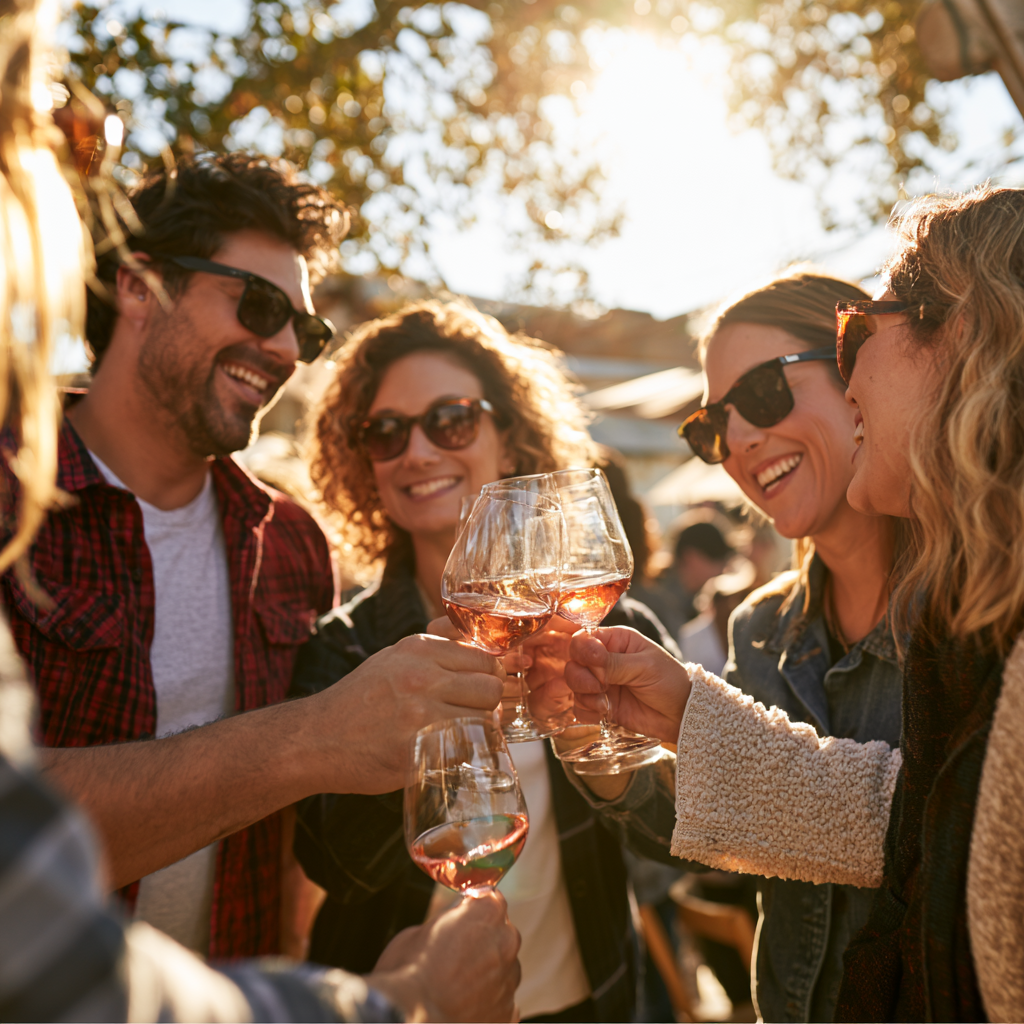
A photo of guests enjoying a tasting flight often performs better than another generic vineyard sunset because it aligns more directly with what users are actually searching for.
For winery websites, the strongest image strategies usually combine:
These images not only improve image search visibility, but also help increase:
One of the biggest misconceptions in winery marketing is that every image needs to look like a luxury travel campaign.
In many cases, authentic and well-composed real moments outperform heavily staged photography because they feel more trustworthy and relatable.
Some of the most effective winery image content includes:
These types of visuals create stronger engagement signals and help search engines better understand the winery experience being offered.
Even great photography needs proper optimization. Wineries should also ensure:
For example:
napa-valley-cabernet-tasting.jpgIMG_4837.jpgYou do not need endless sweeping vineyard views to perform well in image search.
What consistently works best is imagery that captures:
For wineries, the goal is not simply to showcase the property — it’s to help potential guests imagine themselves there.
That’s the kind of content search engines increasingly reward — and the kind of content that ultimately drives more bookings, visits, and engagement for winery businesses.