Turn fall into more visits and revenue with winery events that attract guests, boost ticket sales and strengthen DTC relationships.
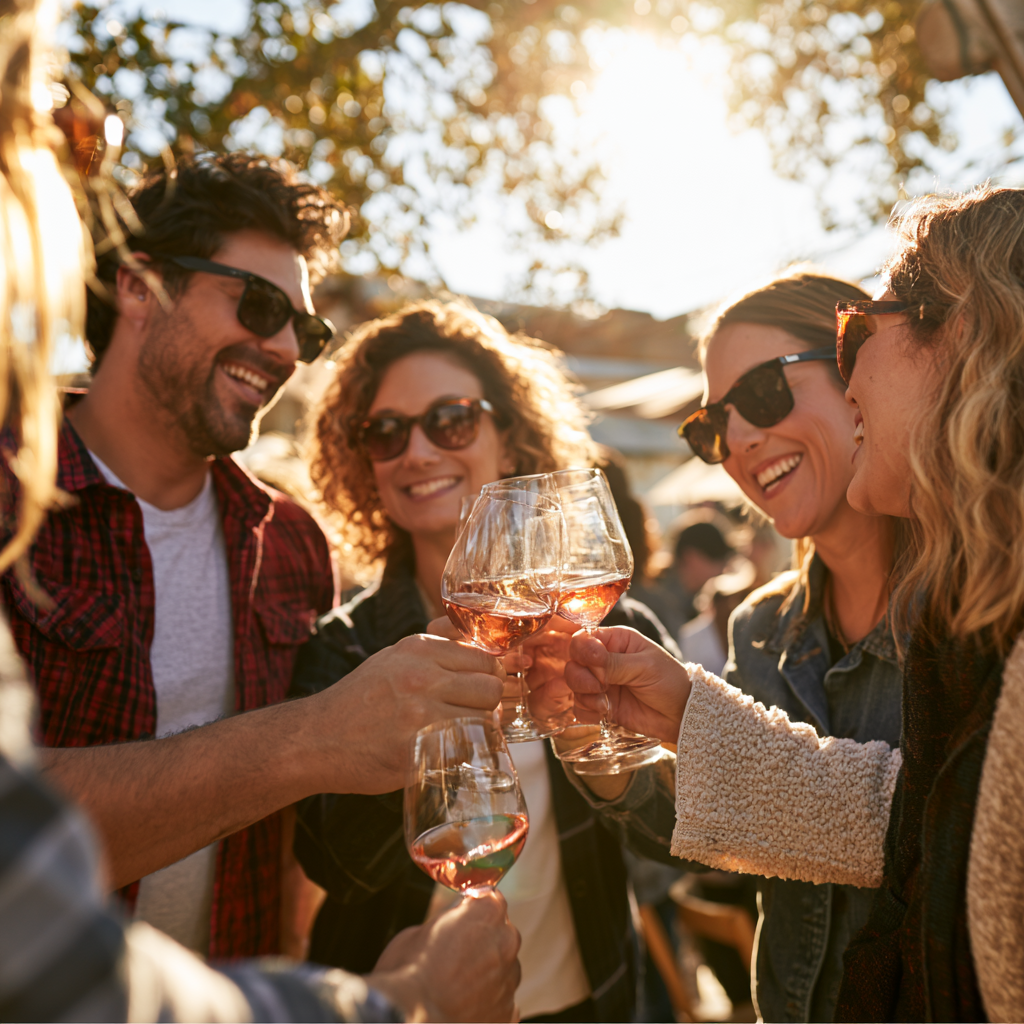
For wineries, fall is more than harvest season—it is one of the best opportunities of the year to create experiences that bring consumers back to wine country.
Harvest dinners, grape stomps, release parties, wine club celebrations, vineyard experiences, live music, culinary events and holiday kickoffs give guests a reason to visit beyond the traditional tasting appointment. Just as importantly, these events can help wineries strengthen customer relationships, introduce new consumers to the brand and create incremental direct-to-consumer revenue.
And in 2026, those relationships matter more than ever.
Silicon Valley Bank's 2026 Direct-to-Consumer Wine Report found a significant performance gap across the industry. While the median winery reported essentially flat DTC sales, top-quartile wineries grew revenue by 22%. SVB identified customer relationships and execution as major differentiators between wineries that are growing and those struggling to maintain momentum.
The opportunity this fall is clear: don't simply wait for visitors to arrive. Give them a compelling reason to make your winery part of their plans.
Fall combines several advantages that few other times of year can offer.
Harvest provides a natural story. Vineyards are changing color. Cellars are active. New vintages may be entering production. Culinary ingredients become more seasonal, and consumers already associate wine country with harvest experiences.
There is also growing interest in wine experiences that go beyond simply standing at a tasting bar. Travel + Leisure recently reported that wineries are increasingly combining wine with food, landscape, adventure and other experiences as consumer expectations evolve.
Fall itself remains a powerful travel motivator. On August 24, 2026, Travel + Leisure specifically highlighted Napa and Sonoma wine country as a compelling fall destination because of harvest, seasonal dining, events and the overall experience surrounding the season.
For wineries, that makes fall an opportunity to convert seasonal interest into measurable DTC activity.
There is no single event format that works for every winery. The strongest event should reflect the winery's brand, location, wines and customer base.
Some of the most compelling fall winery event ideas include:
The goal should not necessarily be to create the largest possible event.
A small, well-designed experience for 30 or 40 guests may produce more meaningful customer interaction—and potentially more long-term value—than an event drawing hundreds of people with little opportunity for personal engagement.
One of the simplest ways wineries can improve event attendance is also one of the most frequently overlooked:
Give consumers enough time to make plans.
Guests aren't deciding between your event and doing nothing. They're comparing your event with restaurant reservations, concerts, festivals, sporting events, weekend trips, family obligations and events at other wineries.
Waiting until two weeks before an event dramatically reduces your opportunity to reach those consumers.
Whenever possible, publish major fall events six to twelve weeks in advance, particularly when visitors may be traveling from outside the area.
The event page can continue to evolve as details are finalized. What's important is establishing the date, experience and reason to attend early enough for guests to include it in their plans.
Consider the difference between these two descriptions:
Harvest Dinner – $150
versus:
Join our winemaker for an intimate dinner among the vines celebrating the 2026 harvest, featuring four seasonal courses paired with limited-production estate wines.
The second description answers several questions immediately:
What makes this special?
What will I experience?
Who will be there?
Why should I attend?
Consumers should understand the value of an event before they ever see the ticket price.
Your event page should clearly explain:
This information is useful for prospective guests—and increasingly important for search engines and AI-powered recommendation tools trying to determine whether your event answers a traveler's question.
A successful winery event should provide something different from the everyday tasting room experience.
Guests should leave thinking:
“I'm glad we came today.”
That could mean tasting wine directly from barrel, dining with the winemaker, walking through the vineyard during harvest, accessing library wines, learning about blending, enjoying live music after normal hours or participating in a hands-on harvest activity.
The 2026 State of the U.S. Wine Industry Report notes that leading wineries are emphasizing hospitality, personalized experiences and relationship-building as part of their DTC strategies. Tasting rooms and wine clubs now account for 53% of the average winery's sales, underscoring how important direct customer relationships remain.
Events can help extend those relationships beyond the standard tasting appointment.
Fall events can be particularly valuable for strengthening wine club relationships.
Rather than viewing a club shipment as purely a transaction, use events to make membership feel like access.
Consider offering members:
SVB's 2026 DTC research specifically points to customization and experience-based benefits as strategies being used by top-performing wineries to deepen wine club relationships.
A club member who looks forward to experiences throughout the year has another reason to remain engaged with the winery beyond receiving shipments.
Publishing an event isn't a marketing strategy.
Consumers are busy, inboxes are crowded and social media posts disappear quickly.
A winery should plan multiple communications around every important event.
A basic fall event marketing calendar might include:
8–12 weeks before:
Publish the event and announce ticket sales.
6–8 weeks before:
Feature the experience through email, website content and social media.
4 weeks before:
Highlight the food, wines, entertainment or personalities involved.
2 weeks before:
Communicate remaining availability when appropriate.
Final week:
Reach customers who may have shown interest but have not purchased.
Marketing messages should also change rather than repeating the exact same announcement.
One email might feature the winemaker. Another might showcase the menu. Another might tell the story behind the wines being poured.
Every message creates another reason for someone to become interested.
Consumers increasingly discover things to do through more than traditional Google searches.
They may ask:
What winery events are happening in Napa Valley this October?
Are there harvest dinners near Paso Robles?
What are some unique wine experiences in Sonoma this fall?
Which wineries have grape stomps this weekend?
Those questions may be answered by a traditional search engine, an AI assistant or an AI-powered travel planning platform.
Your event pages therefore need clear, structured information.
Include specific details such as:
Event name: Napa Valley Harvest Dinner
Location: St. Helena, California
Date: October 10, 2026
Event type: Winemaker dinner
Experience: Four-course harvest dinner and wine pairing
Audience: Public or wine club members
Reservation requirements: Advance tickets required
Avoid forcing visitors—or search engines—to decode a clever event name with no explanation.
Instead of simply:
Crush 2026
consider:
Crush 2026: Harvest Celebration & Grape Stomp in Napa Valley
Descriptive event content improves traditional search visibility while also giving generative and answer engines stronger context about what the event is, where it takes place, when it happens and who should attend.
Ticket sales are important, but they shouldn't be the only measure of whether a winery event was successful.
Events can influence:
A first-time guest who attends a $75 harvest event, joins the wine club and returns twice over the next year is substantially more valuable than the original $75 ticket.
This is why events should be considered part of the winery's broader customer acquisition and retention strategy, rather than treated solely as an entertainment calendar.
The 2026 wine market continues to challenge wineries to work harder for consumer attention.
But there is an important distinction between fewer consumers simply showing up and consumers losing interest in wine country altogether.
Travelers are still looking for memorable experiences. What is changing is what motivates them to visit.
A tasting appointment may no longer be enough for every consumer.
A harvest dinner might be.
A grape stomp might be.
An afternoon with the winemaker might be.
A vineyard concert, blending seminar or members-only release celebration might be.
For wineries looking to increase visitation and strengthen DTC relationships this fall, the question isn't simply:
“How do we get more people into the tasting room?”
A better question may be:
“What can we create that gives people a reason to come?”
That shift—from waiting for visitation to creating visitation—may be one of the most important opportunities available to wineries this fall.
For significant winery events, promotion should generally begin six to twelve weeks before the event, particularly if attendees may need to make travel or lodging arrangements. Smaller local events can use a shorter marketing window, but publishing earlier provides more opportunities for discovery and promotion.
Popular concepts include harvest dinners, grape stomps, barrel tastings, winemaker dinners, release parties, vineyard tours, wine club celebrations, culinary pairings, live music, educational experiences and holiday kickoff events. The best concept is one that fits the winery's brand and offers something guests cannot experience during a normal tasting.
Start promotion early, clearly communicate what makes the experience unique, use multiple marketing channels, market the event more than once and provide detailed event information online. Member presales, limited-capacity experiences and targeted customer communications can also improve ticket sales.
Yes. Events provide wineries with opportunities to build deeper relationships with guests and demonstrate the experiential benefits of belonging to the brand. Member-only events, preferred access and exclusive experiences can also increase the perceived value of wine club membership.
Events bring customers into direct contact with the winery, creating opportunities for wine purchases, club enrollment, repeat visitation and long-term customer relationships. SVB's 2026 research continues to show how important tasting room and wine club channels are to winery revenue.