The next generation wants more than wine tastings—they want experiences worth sharing.

For decades, the traditional winery tasting experience followed a familiar formula: guests arrive at a tasting room, sample a flight of wines, listen to descriptions of varietals and vintages, and hopefully leave with a few bottles or a new wine club membership.
It's an experience that helped build the modern wine tourism industry. And for many consumers, it remains a wonderful way to discover wine.
But a new generation of potential customers is asking a different question.
Why should I spend my afternoon at a winery when there are so many other experiences competing for my time and money?
That's a question winery owners, hospitality directors, and marketing teams need to take seriously.
As Millennials and Generation Z become increasingly important to the future of the wine industry, wineries have an opportunity to rethink an experience that, in many cases, hasn't evolved nearly as quickly as the consumers they're hoping to attract.
The answer isn't necessarily better wine, more elaborate tasting rooms, or another premium flight.
It's giving people more compelling reasons to visit in the first place.
Silicon Valley Bank's 2026 State of the U.S. Wine Industry Report highlights the industry's ongoing struggle to connect with younger consumers.
Unlike previous generations, younger adults are navigating a broader landscape of beverage choices, different spending priorities, and changing attitudes toward alcohol consumption.
Wine is competing not only with beer, spirits, and ready-to-drink cocktails, but also with nonalcoholic beverages and entirely different leisure activities.
A 2026 Wine Enthusiast analysis of the report underscores the disconnect between traditional wine marketing and the interests of consumers in their 20s and early 30s.
Yet it would be a mistake to assume that every younger consumer is uninterested in wine.
In a May 2026 report from Northwest Public Broadcasting, Washington wine industry professionals described younger visitors seeking personal interactions with winemakers, opportunities to explore vineyards, and experiences that help them understand how wine is produced.
The discussion also identified pricing and accessibility as important obstacles.
The lesson for wineries is that the next generation isn't a single audience with a single set of preferences. But many potential customers need a more approachable, engaging introduction to wine than the industry has traditionally offered.
Think about how consumers choose where to spend a Saturday afternoon.
They might attend a food festival, take a cooking class, enjoy live music, explore a farmers market, or meet friends for brunch.
These activities offer something beyond the primary product. They create opportunities for entertainment, discovery, social connection, and memorable moments.
Wineries have many of those same ingredients already at their fingertips.
Beautiful surroundings, passionate winemakers, fascinating stories, exceptional food pairings, and the opportunity to experience something unique.
But too often, wineries package these assets into a relatively predictable seated tasting.
Imagine two experiences being promoted to a group of friends.
One offers a $65 reserve wine tasting featuring five selections and a discussion of vineyard characteristics.
The other invites guests to a relaxed afternoon of wine, live acoustic music, artisan pizza, and the opportunity to meet the winemaker.
Both can showcase the same exceptional wines. But they communicate different reasons to attend.
One emphasizes the product. The other emphasizes the experience.
Neither approach is inherently better for every customer, but wineries hoping to expand their audience should recognize that different experiences appeal to different motivations.
The wine can still be the star. It simply doesn't have to be the only reason someone walks through the door.
The wine industry has developed an extraordinary vocabulary around what makes wine special.
Terroir, tannins, appellations, fermentation techniques, barrel aging, and vintage variation all play important roles in understanding wine.
But for someone discovering wine for the first time, that vocabulary can also feel intimidating.
Younger consumers who haven't developed an appreciation for wine may hesitate to ask questions, worry about choosing the wrong bottle, or feel uncomfortable participating in a formal tasting.
Wineries have an opportunity to change that experience.
Instead of beginning every interaction with technical descriptions, consider starting with conversations about flavors, food, personal preferences, and occasions.
Ask guests what they enjoy drinking. Explain wine in language they understand. Encourage questions without making anyone feel inexperienced.
Offer introductory experiences that celebrate curiosity rather than expertise.
A casual tasting designed around discovering your favorite red wine can be just as educational as a traditional reserve flight, while making the experience feel far more inviting.
The objective isn't to simplify the craftsmanship behind the wine.
It's to make that craftsmanship more accessible.
Wineries looking to diversify their hospitality programs don't necessarily need to make significant investments in new facilities.
Sometimes the opportunity lies in reimagining how existing spaces, staff, and wines are presented.
1. Wine and culinary workshops
Move beyond traditional pairings with interactive pizza-making classes, seasonal cooking demonstrations, cheese workshops, or hands-on food experiences. Guests learn something new while discovering how wine complements their creations.
2. Live music and casual social gatherings
Acoustic afternoons, sunset sessions, and small outdoor concerts give guests an inviting reason to gather. Offer wines by the glass or bottle where permitted, relaxed seating, and an atmosphere that encourages conversation.
3. Creative experiences in the vineyard
Painting classes, photography workshops, floral arranging, and other creative activities can introduce visitors to the winery in an entirely different setting.
4. Behind-the-scenes winemaking experiences
Invite guests to explore the production process with cellar tours, blending workshops, barrel tastings, or conversations with the winemaking team. These experiences offer a closer connection to the people and craftsmanship behind the bottle.
5. Games, recreation, and social clubs
Bocce tournaments, trivia evenings, lawn games, and similar gatherings can turn a winery into a destination for repeat social visits. The emphasis is on building community around the winery rather than requiring every gathering to revolve around a formal tasting.
6. Affordable introductory experiences
Consider shorter tasting flights, weekday discovery specials, or approachable wine-and-food experiences at different price points. These can provide an entry into the brand without requiring a substantial upfront commitment.
Every experience should be designed around the winery's brand, available resources, and intended audience.
The goal isn't to chase every trend. It's to create a diverse collection of experiences that give more people a reason to discover your wines.
For wineries accustomed to premium tasting fees, offering lower-priced introductory experiences may feel counterintuitive.
After all, hospitality costs are real, and wineries need to protect profitability.
But there's an important distinction between maximizing revenue from a single visit and creating a customer relationship that generates value over time.
A $75 tasting may appeal to experienced wine enthusiasts who already appreciate your brand. It may be less compelling to a first-time visitor exploring wine with friends.
A less expensive discovery experience could offer a different entry point without replacing the winery's premium offerings.
Consider creating a tiered hospitality program that offers something for different audiences: an accessible introductory experience, a more involved food-and-wine pairing, and a premium tasting for dedicated enthusiasts.
This allows wineries to maintain their established hospitality identity while providing opportunities for new customers to begin their relationship with the brand.
The key is understanding the economics of each offering.
An introductory experience still needs appropriate margins, staffing, and operational planning. But its value should also be considered in terms of repeat visits, referrals, future wine purchases, and long-term customer engagement.
Traditional winery hospitality often treats wine club conversion as one of the most important measures of a successful tasting.
And for good reason. Wine clubs remain an essential direct-to-consumer revenue channel.
But asking a first-time visitor to commit to recurring shipments before they've developed a meaningful relationship with the winery may be premature.
For many newer wine consumers, their first visit should be the beginning of a conversation rather than an immediate request for a long-term commitment.
A guest might first attend a music event, return for a blending workshop, purchase a few bottles, and eventually become interested in membership.
That progression deserves attention.
Instead of measuring success exclusively through same-day purchases and club enrollments, wineries should also evaluate whether their hospitality programs create reasons for guests to return.
A successful first visit might lead to a second reservation, an invitation to a future event, or a recommendation shared with friends.
The real opportunity isn't simply introducing younger consumers to your wine. It's giving them reasons to make your winery part of their lives.
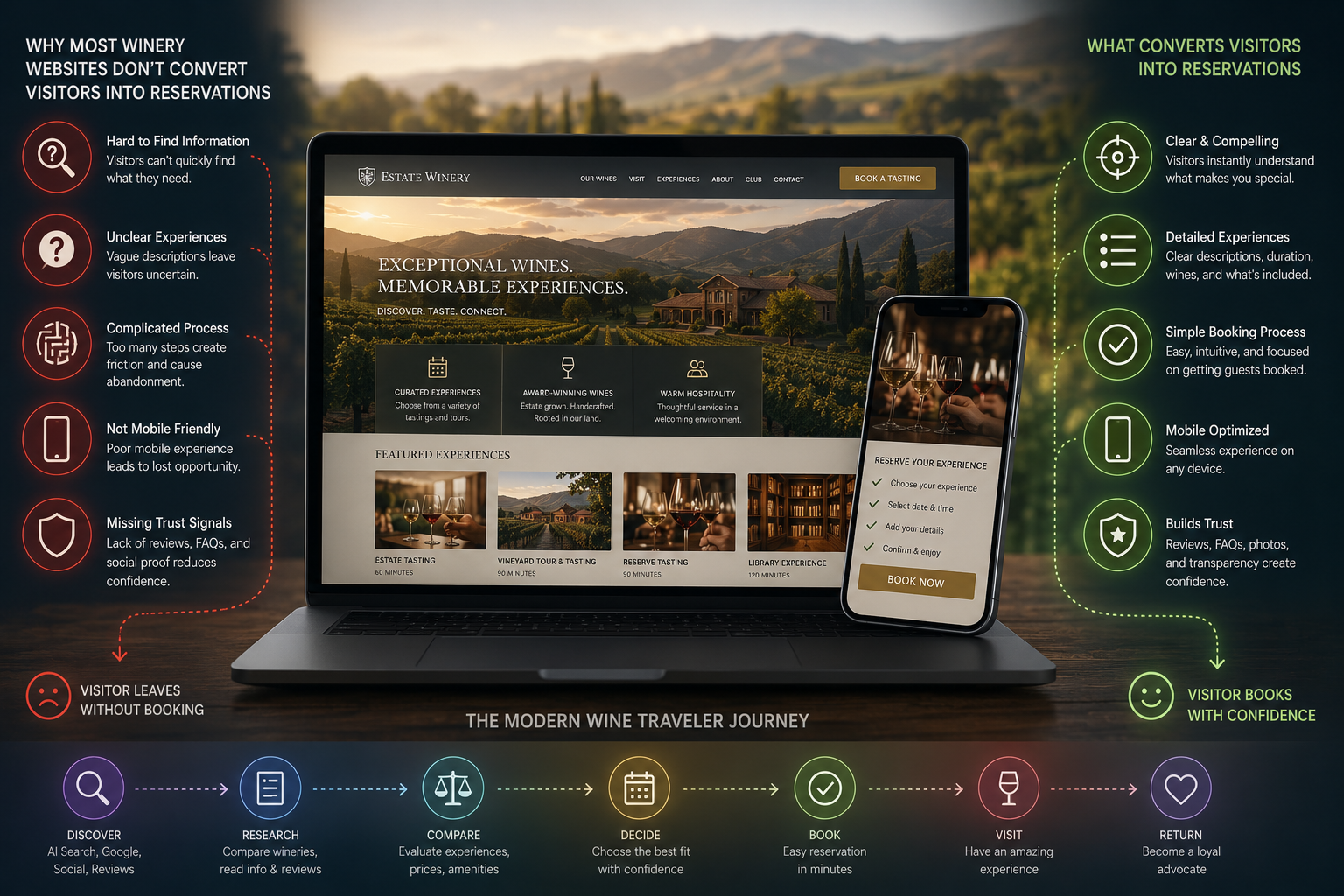
A winery can develop an exceptional event calendar and still struggle to attract new customers if discovering and booking those experiences is difficult.
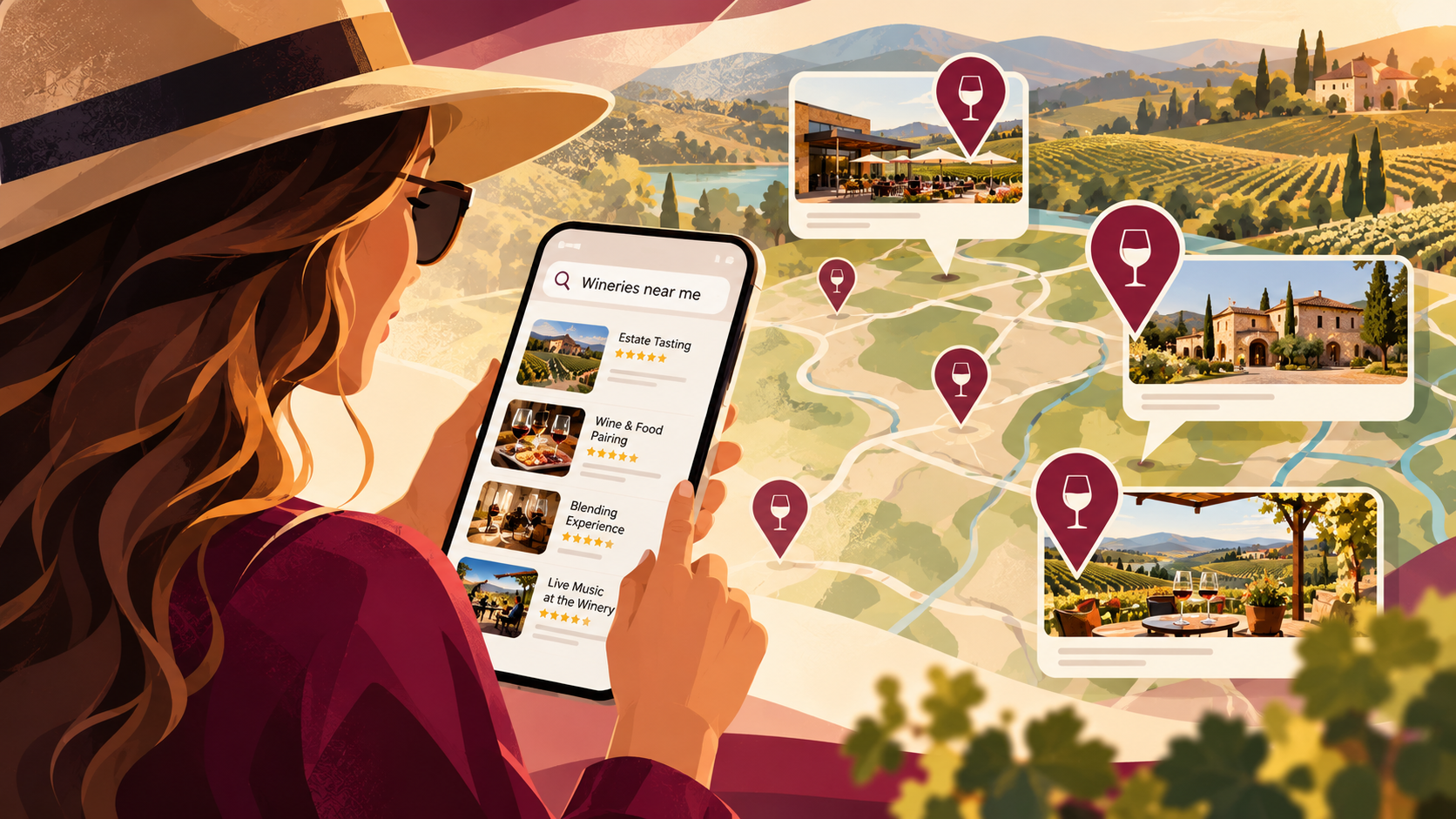
Today's consumers regularly explore entertainment, dining, and leisure activities on their smartphones.
A potential guest who discovers an interesting winery event through social media should be able to quickly understand what's included, see the price, find the location, and complete a reservation without unnecessary obstacles.
That means wineries need more than an attractive website.
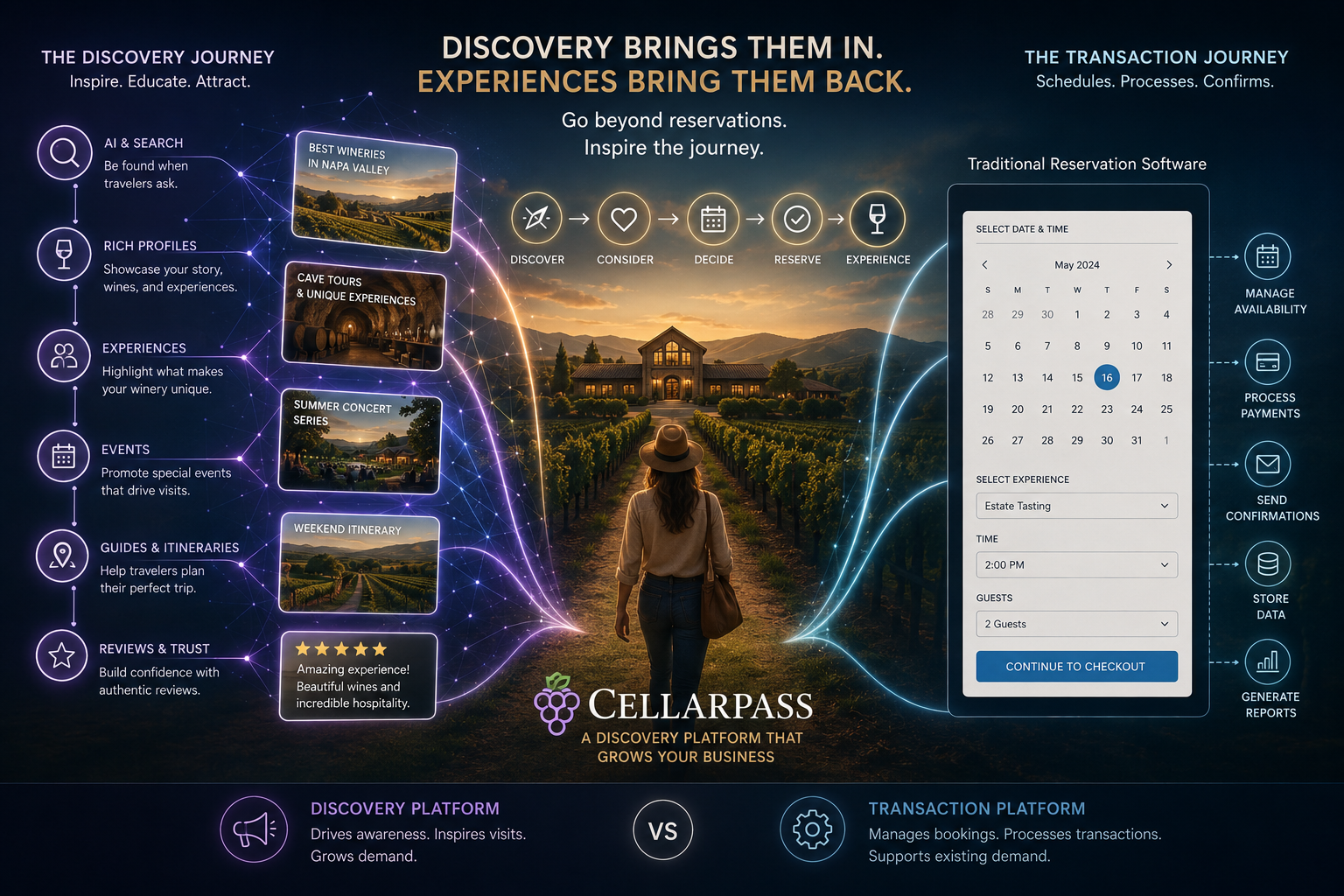
They need compelling experience descriptions, convenient mobile-friendly booking, clear event calendars, and opportunities for discovery beyond their existing customer lists.
Platforms such as CellarPass can help wineries bring these experiences to market through consumer-facing discovery, online reservations, and event ticketing.
But technology is only part of the solution.
If the experiences being promoted aren't relevant to the audience a winery wants to attract, even the best booking process won't solve the underlying challenge.
Wineries need to rethink both what they're offering and how consumers discover it.
One of the most promising opportunities for wineries is shifting away from viewing every visit as an isolated tasting appointment.
A dynamic hospitality calendar can create an ongoing relationship with customers.
Imagine a guest discovering your winery through a spring culinary workshop. A month later, they return for live music with friends. During the summer, they attend an outdoor dinner. By harvest season, they're interested in a behind-the-scenes winemaking experience.
Each visit creates another opportunity to explore the wines, connect with the team, and deepen the relationship.
This approach also encourages wineries to think differently about how they promote events.
Rather than exclusively marketing to existing club members, consider which experiences might appeal to first-time visitors, younger adults of legal drinking age, local residents, and people who don't yet consider themselves wine enthusiasts.
A thoughtfully designed calendar should offer a combination of introductory experiences, repeat-visit activities, educational opportunities, and premium hospitality.
And importantly, it should give guests reasons to come back throughout the year.
The wine industry has a remarkable story to tell.
Few products combine agriculture, craftsmanship, geography, history, hospitality, and personal expression in quite the same way.
Those qualities remain just as compelling today as they were decades ago.
But the ways consumers discover and connect with them are evolving.
Younger customers aren't necessarily asking wineries to abandon tradition. They're asking, through their choices, for experiences that feel relevant, welcoming, and worth their time.
That may mean introducing a first-time visitor to wine through a casual evening with friends rather than a formal tasting. It may mean offering a hands-on workshop instead of another flight of reserve wines. Or it may mean making the winery a place people visit regularly, even when purchasing wine isn't their primary motivation.
Not every winery needs to become an entertainment venue, and traditional tastings will continue to serve an important audience.
But wineries that want to grow their customer base should be willing to experiment, listen to their guests, and reconsider assumptions about what a winery visit should look like.
The next generation of wine lovers won't necessarily discover your winery because they were searching for a great Cabernet Sauvignon.
They may discover it because someone invited them to an unforgettable afternoon.
And once they arrive, you have the opportunity to introduce them to everything that makes your wines special.
The question for wineries planning their 2027 hospitality calendars is simple:
Are you offering the experiences your future customers want—or only the ones your existing customers have come to expect?