Avoid the costly mistakes that quietly sabotage tasting rooms—discover the 10 marketing missteps every winery manager needs to know.
A thriving tasting room isn’t built on great wine alone. It’s built on consistent traffic, memorable guest experiences, great hospitality and smart marketing decisions that keep your winery top-of-mind in an increasingly competitive landscape.
Yet many owners and tasting room managers—often unintentionally—make marketing choices that undermine their success. These missteps don’t just cost sales; they can quietly stall momentum, reduce repeat visits, and ultimately jeopardize your entire direct-to-consumer program.
Here are the top 10 tasting room marketing decisions that can turn a promising winery into a cautionary tale, and what to do instead to keep your rooms full, your events booked, and your club memberships thriving.
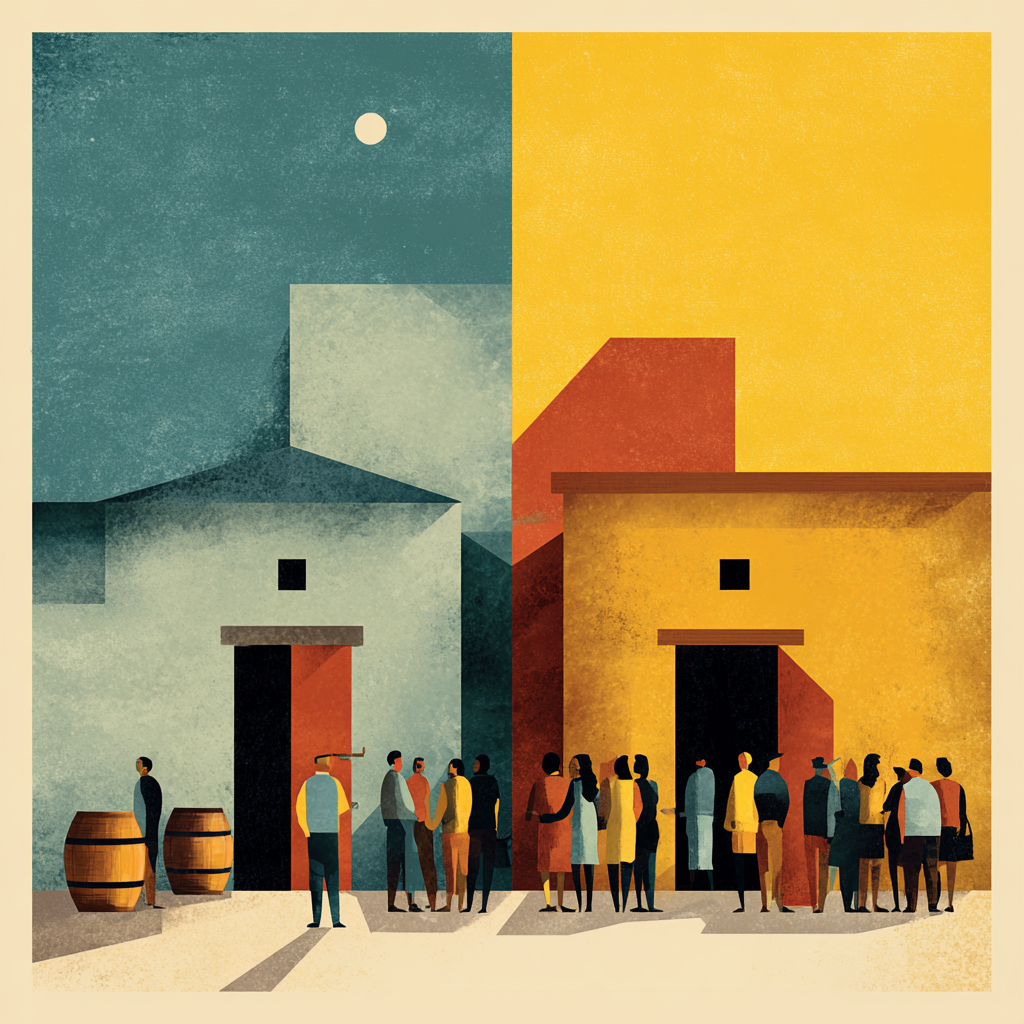
One of the most common mistakes tasting rooms make is assuming their audience never changes. They use the same messaging year after year, design one-size-fits-all experiences, and hope to appeal to “everyone” who visits wine country.
But your customer base is not static—it evolves continually based on generational habits, internal changes at your winery, and even the personalities of your staff.
Why this fails:
If you don’t adjust your marketing to the audience you actually have—not the one you think you have—your experiences, pricing, and messaging become outdated. The result? Lower conversions, weaker wine club signups, and fewer return visits.
Your audience shifts for several reasons:
Do this instead:
Evaluate your guest demographics annually. Look at who books, who buys, who joins your club, and who attends your events. Let this real-time data guide your messaging, pricing, and experience design. When you align with your current audience, every part of your tasting room becomes more effective.
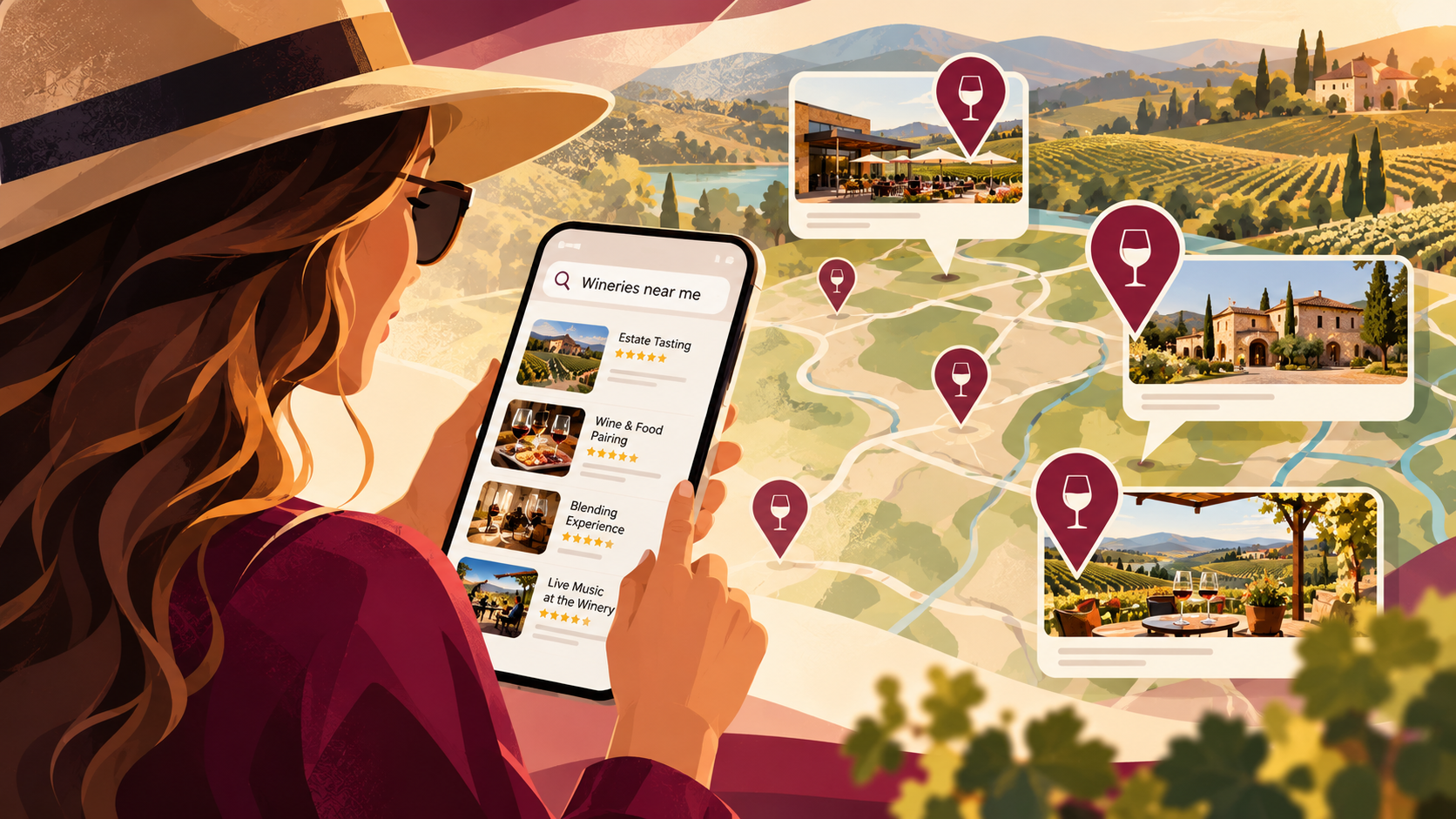
Today’s wine traveler plans digitally. If your website is outdated, unclear, or missing critical information—and your social media appears abandoned—visitors may assume your tasting room is closed or unprofessional.
Why this fails:
Inactive digital channels signal a lack of attention, weakening trust and causing visitors to book elsewhere.
Do this instead:
Keep your website updated with current menus, availability, and events. Post regularly on social media, tell stories, show the people behind the wines, and always respond to reviews. A strong online presence boosts visibility, credibility, and bookings.
Letting guests enjoy your wines and leave without capturing their email or phone number is one of the most expensive mistakes a tasting room can make.
Why this fails:
Without a reliable way to stay in touch, you lose out on repeat purchases, club conversions, event registrations, and long-term loyalty.
Do this instead:
Use tasting notes sheets, digital signups, point-of-sale prompts, or pre-visit reservation forms to capture emails and SMS opt-ins. Then nurture these relationships with personalized offers, storytelling, and timely invitations.
Pricing is a form of communication. If your tasting fees or bottle prices don’t match the quality of the experience or the exclusivity of your wines, guests leave confused—or worse, resentful.
Why this fails:
Perceived value is everything. If the price doesn’t match the experience, satisfaction drops and so do sales.
Do this instead:
Ensure pricing reflects the uniqueness and quality of your offering. Highlight premium features such as small-production wines, library selections, or winemaker-led experiences to reinforce value.
A standard pour-and-describe flight is fine—but it’s not memorable. Guests need something special to remember you, recommend you, or return.
Why this fails:
When every visit feels the same, there’s no compelling reason for guests to choose you again next time they’re in wine country.
Do this instead:
Create immersive experiences: vineyard hikes, barrel tastings, food pairings, aroma workshops, themed flights, or estate tours. Give guests a story they’ll want to share.
Events are one of the most powerful drivers of tasting room traffic, wine sales, and club memberships. But many wineries fail to promote them effectively or rely solely on their existing mailing list.
Why this fails:
Under-promoted events result in low attendance, wasted staff time, and missed revenue.
Do this instead:
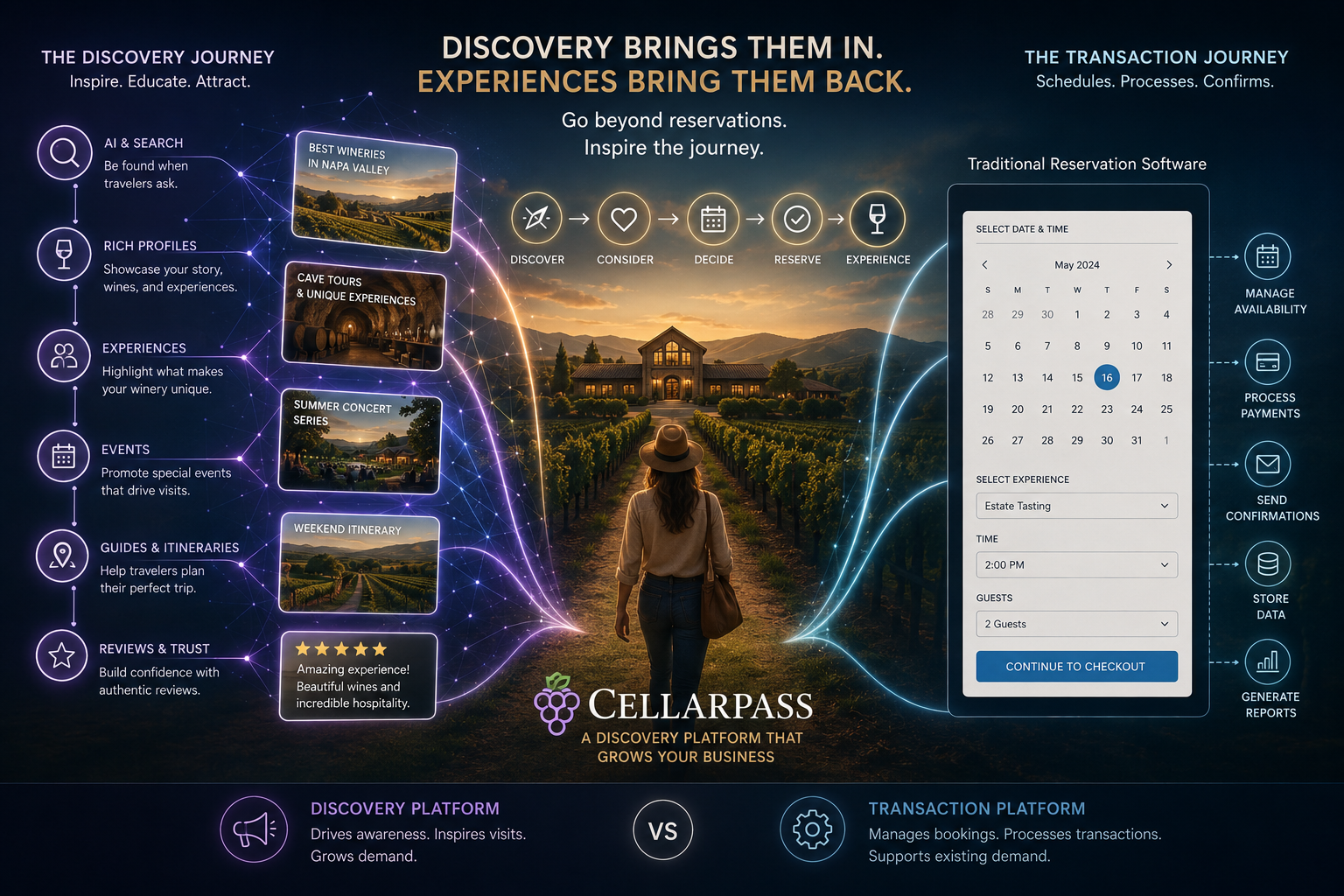
Promote across all channels—email, website, social, signage—and amplify your reach by listing your events on CellarPass, where wine travelers actively seek new experiences. CellarPass helps you:
With CellarPass handling the operational side, your team can focus on delivering exceptional hospitality.
Wine clubs are often the financial backbone of a tasting room, yet many wineries don’t proactively promote them.
Why this fails:
Guests who could become lifelong customers slip through the cracks.
Do this instead:
Empower staff to share the unique value of club membership early and often. Offer private events, exclusive wines, and perks that make joining feel like becoming part of a family—not signing up for a subscription.
Walk-ins are great—but unpredictable. Seasonal fluctuations and tourism patterns make them unreliable as your main source of traffic.
Why this fails:
Without pre-booked reservations, it’s nearly impossible to forecast staffing, inventory, or sales.
Do this instead:
Encourage online reservations through your website and CellarPass. Pre-booked experiences provide stability, improve service quality, and build guest anticipation before they even arrive.
Offering the same tasting experience year-round may seem efficient, but it gives guests little motivation to return.
Why this fails:
Locals and repeat travelers quickly tire of “the same old thing,” and seasonal tourism waves pass by unnoticed if you’re not aligning your offerings with them.
Do this instead:
Create a seasonal calendar of rotating experiences and events:
When visitors know there’s always something new each season, they return more often—and bring friends.
Your staff is your brand. They influence revenue more than any sign, promotion, or bottle display.
Why this fails:
Poor communication, weak storytelling, and lack of engagement can tank conversions across tastings, events, and club signups.
Do this instead:
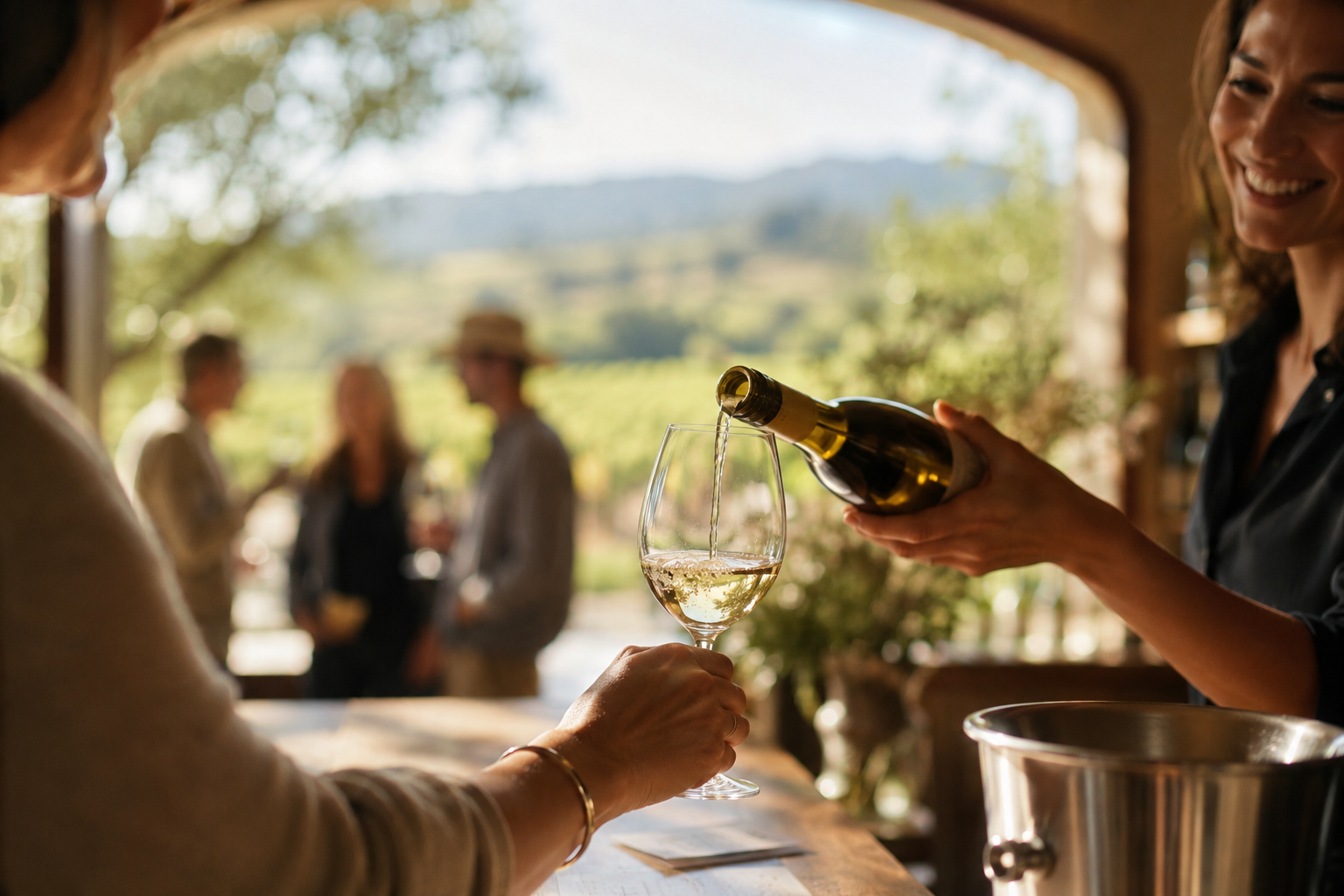
Invest in regular staff training covering hospitality, wine knowledge, club positioning, guest engagement, and upselling techniques. A confident, passionate team turns casual tasters into long-term supporters.
We further recommend you hire a secret shopper service to spot check your teams 2-3X a year and review the findings- and take immediate action if there's poor results. Checking online reviews (Google, TripAdvisor, Facebook, your reservation platform (if provided) and other review sites), often is another high priority. Develop a rewards system based on an agreed-upon KPI.
Marketing mistakes can quietly—and quickly—sink even the best winery tasting rooms. But when you embrace evolving demographics, refresh your experiences regularly, empower your staff, and adopt smart tools like CellarPass to amplify your visibility, streamline reservations, and boost event attendance, your tasting room becomes positioned for long-term success.
Great wines bring guests in.
Smart marketing brings them back.