Top 5 Tips for Hosting a Successful Winery Event in 2026

Turn every winery event into a sold-out, repeat-worthy experience.
Top 5 Tips for Hosting a Successful Winery Event in 2026

Special events have become one of the most effective ways for wineries to stand out, drive sales, and deepen customer relationships. However, with more wineries offering classes, dinners, tours, and themed experiences, competition for consumer attention is steadily increasing. Today’s guests are selective—they’re choosing events that provide genuine access, education, and memorable connection to the brand.

Success in 2026 won’t go to the winery with the most events; it will go to those that plan strategically, publish early, and deliver thoughtful experiences that go beyond a standard visit. These five proven tactics will help your winery host events that sell out, build loyalty, and strengthen your brand.

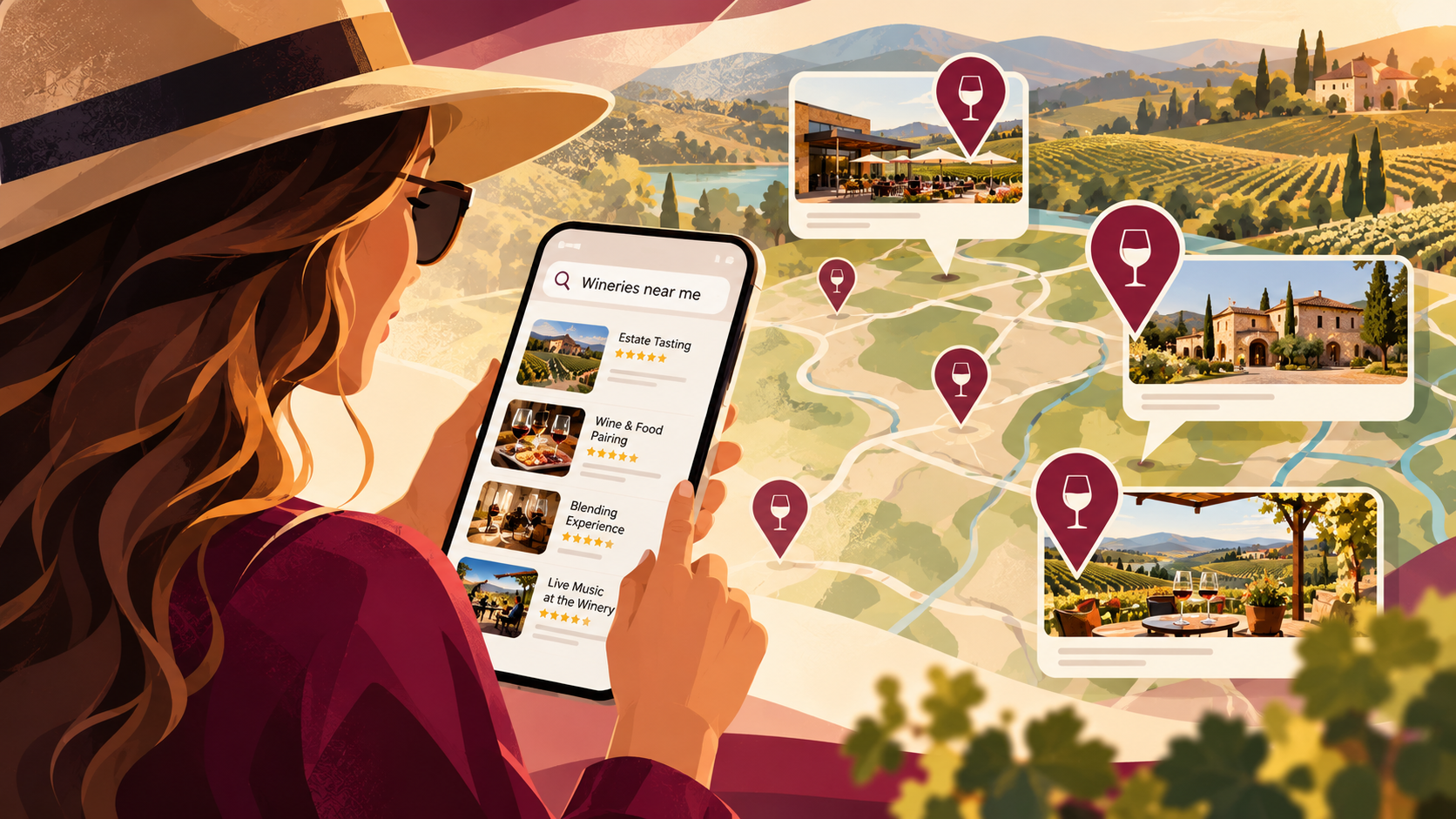
1. Publish Your Event Early—At Least 2–3 Months in Advance

Consumers carefully plan their weekends and leisure time. When events are published too late, your ideal audience may already have commitments—even if they wanted to attend. Early publishing allows your winery to stay visible, engage customers over time, and build interest instead of rushing to fill seats at the last minute.

Why early publishing works:

  • Creates a longer promotional window for ticket sales.
  • Allows customers to coordinate with work schedules, friends, family, and childcare.
  • Helps your winery be included in marketing roundups, newsletters, and partner promotions.
  • Allows repeat reminders without fatiguing your audience.

Best practices for CellarPass listings:

  • Publish 8–12 weeks before the event date.
  • Use professional photography—never generic stock images.
  • Provide clear, detailed descriptions of what guests will experience and receive.
  • Set expectations early regarding refunds, dietary needs, timing, weather, and attire.

Publishing early doesn’t just lengthen exposure—it directly improves conversion.

2. Offer Multiple Event Dates for Maximum Attendance

Guests may love your event concept—but date conflicts will prevent many from booking. Offering multiple date options dramatically increases attendance by meeting consumers where they are.

The advantage of multiple dates:

  • More guests can fit your event into their schedules.
  • Your events appear in more searches, newsletters, and calendars.
  • Guests are more likely to attend again if they feel they didn’t “miss their chance.”
  • Encourages both local attendance and weekend getaway planning—without relying on travel trends.

Best ways to structure multiple dates:

  • Repeat the same experience several times (ex. monthly seasonal dinners).
  • Offer a themed series with limited seats per class.
  • Schedule one weekend daytime event and one weekday evening option.

Pro planning tip: Finalize all dates before publishing so your marketing stays consistent.

3. Make It an Experience—Not Just an Event

Guests are increasingly selective. They’re not looking for another place to drink wine—they’re looking for meaning, access, and insight. The more unique and educational your event feels, the higher its perceived value and the easier it is to promote.

What creates a true winery experience:

  • Direct interaction with a winemaker, viticulturist, or chef.
  • Exclusive access to behind-the-scenes areas like the cellar, caves, or vineyards.
  • Hands-on activities like blending, sensory workshops, or pruning demonstrations.
  • Rare offerings, such as library wine flights or unreleased vintages.
  • Storytelling that connects the guest to the vineyard’s philosophy, history, or terroir.

Ask yourself:

  • What can this event deliver that a regular tasting cannot?
  • What moment will make guests say, “You have to experience this”?

Events that deliver something guests can’t replicate build loyalty, create memories, and command higher pricing.

Pro Tip: Boost Loyalty and Revenue With a Season Pass

If your winery is planning a repeat series—such as monthly dinners, blending workshops, library tastings, vineyard hikes, or live music nights—consider selling a Season Pass rather than only offering single-date tickets. A Season Pass instantly increases your event’s perceived value while encouraging guests to return multiple times throughout the year.

Why Season Passes Work:

  • Higher Guest Commitment
    Passholders are far more likely to attend multiple events, make additional purchases, and invite friends or family to join them.
  • Built-In Loyalty
    Guests feel like VIP insiders when they have access to an exclusive club-style perk.
  • Better Forecasting
    You’ll know attendance numbers earlier, allowing you to plan staffing, food, wine inventory, and educational materials more accurately.
  • Increased Wine Sales
    Frequent visits create more tasting opportunities, add-on bottle purchases, and potential club conversions.

Value to the Guest:

  • Passholders enjoy better pricing per event, exclusive access, and guaranteed reservations without hassle.
  • A single purchase eliminates the need to book multiple times, making participation simple, straightforward, and more appealing.

How CellarPass Helps:
CellarPass offers a built-in Season Pass feature, making it easy to:

  • Create and manage passes online
  • Bundle multiple event dates under one purchase
  • Track passholder attendance and benefits
  • Provide seamless check-in with barcode scanning

With a Season Pass, you’re not just selling a ticket—you’re building repeat relationships, creating ambassadors for your brand, and increasing lifetime value for every guest.

4. Provide Tiered Ticket Experiences

Not all guests want the same experience, and not all will spend at the same level. Tiered pricing allows a single event to appeal to a wide range of guests while increasing revenue and premium engagement.

Benefits of tiered ticketing:

  • Keeps entry-level pricing accessible.
  • Creates upsell opportunities without pressuring guests onsite.
  • Makes club members and collectors feel recognized and valued.

Effective tier examples:

  • Standard Access: Event entry plus tasting flight.
  • Reserve Access: Access plus library pours, reserved seating, premium glassware gift.
  • VIP Access: Early entry, private table, meet-the-winemaker time, barrel samples, enhanced food pairing, exclusive bottle.

Operational note: Promote higher tiers early—customers upgrade more often when they have time to think, not at checkout under pressure.

5. Promote Early and Often—Across Multiple Channels

A single announcement rarely sells tickets. Effective marketing today requires repetition, layered messaging, and multiple channels working together. Guests need reminders and storytelling—not just a link to buy.

Core channels to use consistently:

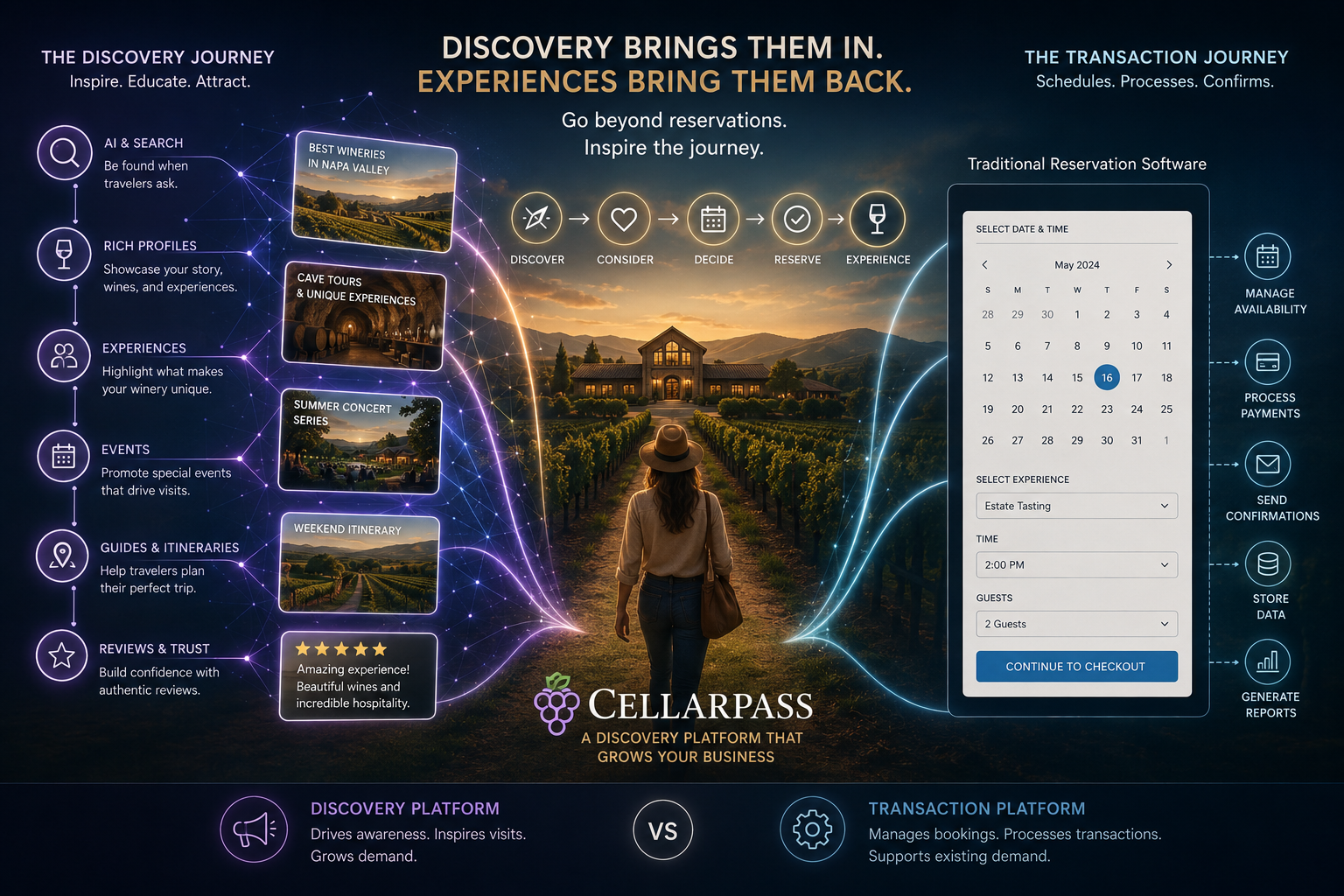
  • CellarPass listing as your central booking hub.
  • Email to members, subscribers, and past visitors.
  • Short-form video showing behind-the-scenes prep or featured wines.
  • Tasting room team promotion, especially for guests already on-site.
  • Collaborators such as chefs, musicians, artisans, sommeliers, nonprofits, or local tourism organizations.

Sample 10–12 week promotional timeline:

  • Announcement Phase: Listing goes live + email + social post.
  • Education Phase: Show wine pairings, sneak peeks, interviews.
  • Urgency Phase: Limited seats messaging, VIP count-downs, last calls.

Promoting early isn’t pushy—it creates anticipation and respect for the guest’s time.

Final Pour

Successful winery events in 2026 will be defined not by novelty or trend-chasing, but by planning, flexibility, meaningful engagement, and strategic promotion. When wineries publish early, provide multiple dates, deliver true access, offer tiered options, and market consistently, events fill naturally—while building brand loyalty that lasts long after the glasses are empty.

Want to make your next event stand out on CellarPass?
Now is the perfect time to publish, plan, and build momentum. Let’s make your next event unforgettable.

Jonathan Elliman
Jonathan Elliman
co-founder + cto
Follow us on: